
QUATSCHPARADE
Posted: February 19, 2023 Filed under: 30s, Cartoon Sleeves, Cowboy Records, Flexible Records, Promotional Records, Twist Records | Tags: Novelty Leave a commentI´m still buying way too many records. Here are just a bunch of (mostly) German Novelty 45s that I found this week. Some I had been looking for for a long time, some I didn´t know at all. You can listen to the Mix on Mixcloud: Quatschparade

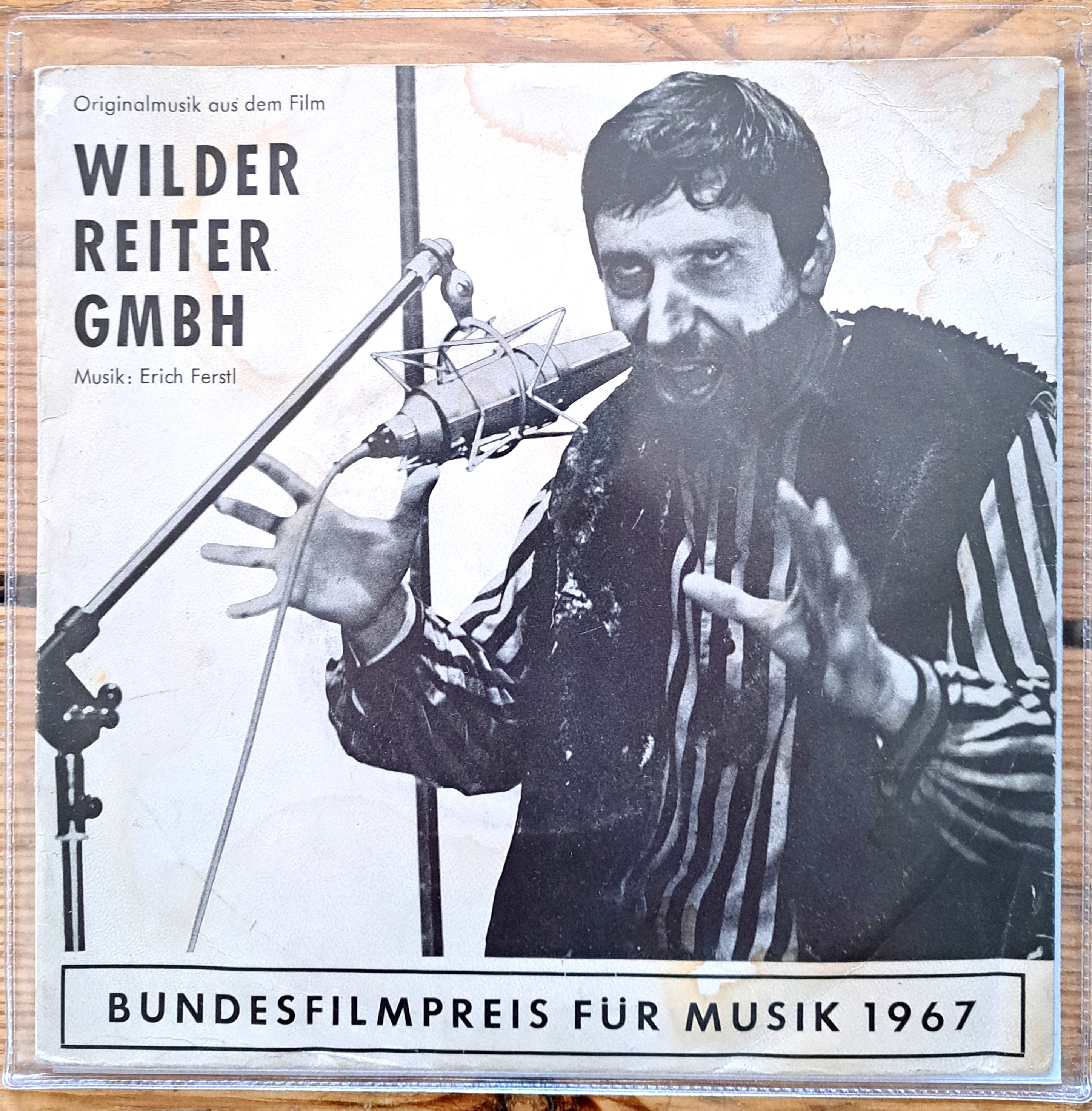
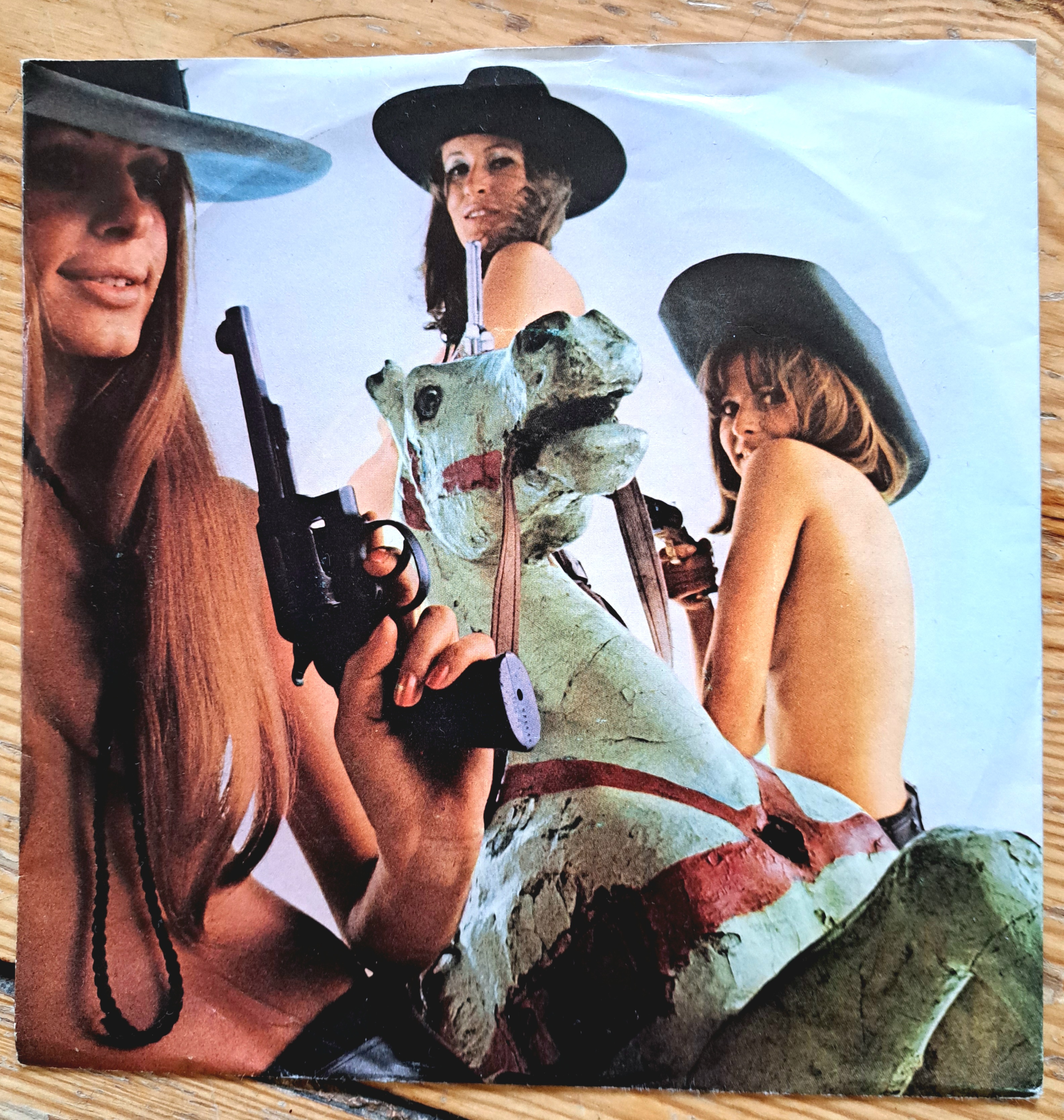
ERICH FERSTL – Wilder Reiter (From soundtrack to the film Wilder Reiter GmbH, 1967)
ERICH FERSTL – Sumphonie (From soundtrack to the film Wilder Reiter GmbH, 1967)
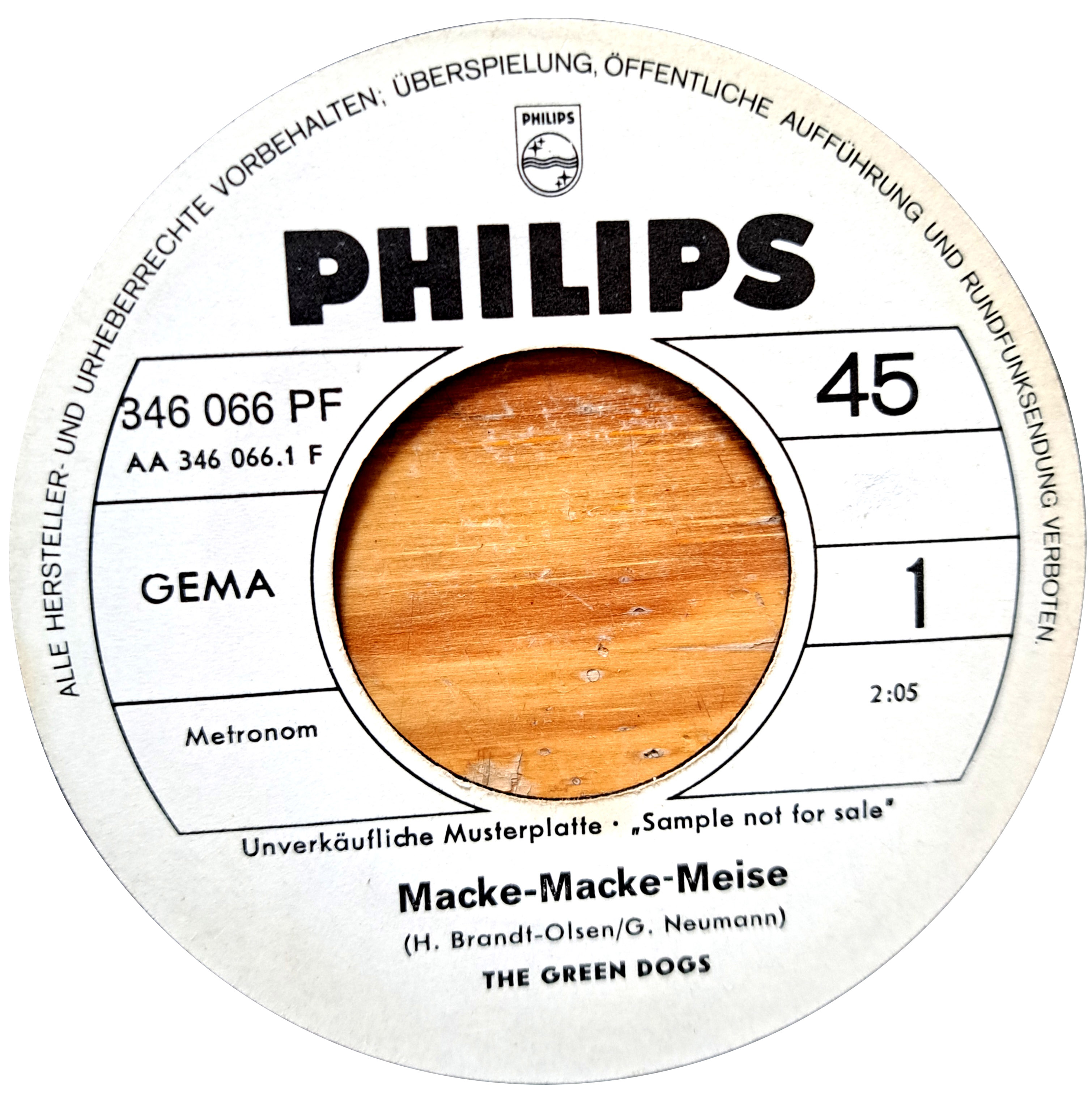
THE GREEN DOGS – Macke-Macke-Meise (1966)
OLD SMUGGLERS – Haarig haarig (1970)
SPARTACO-SAX – Ne nous fachons pas (1965)
FERNAND RAYNAUD – Le twist de Fernand (1962)
PEPPO UND DIE PIPPIES – Oma Hipp (1973)
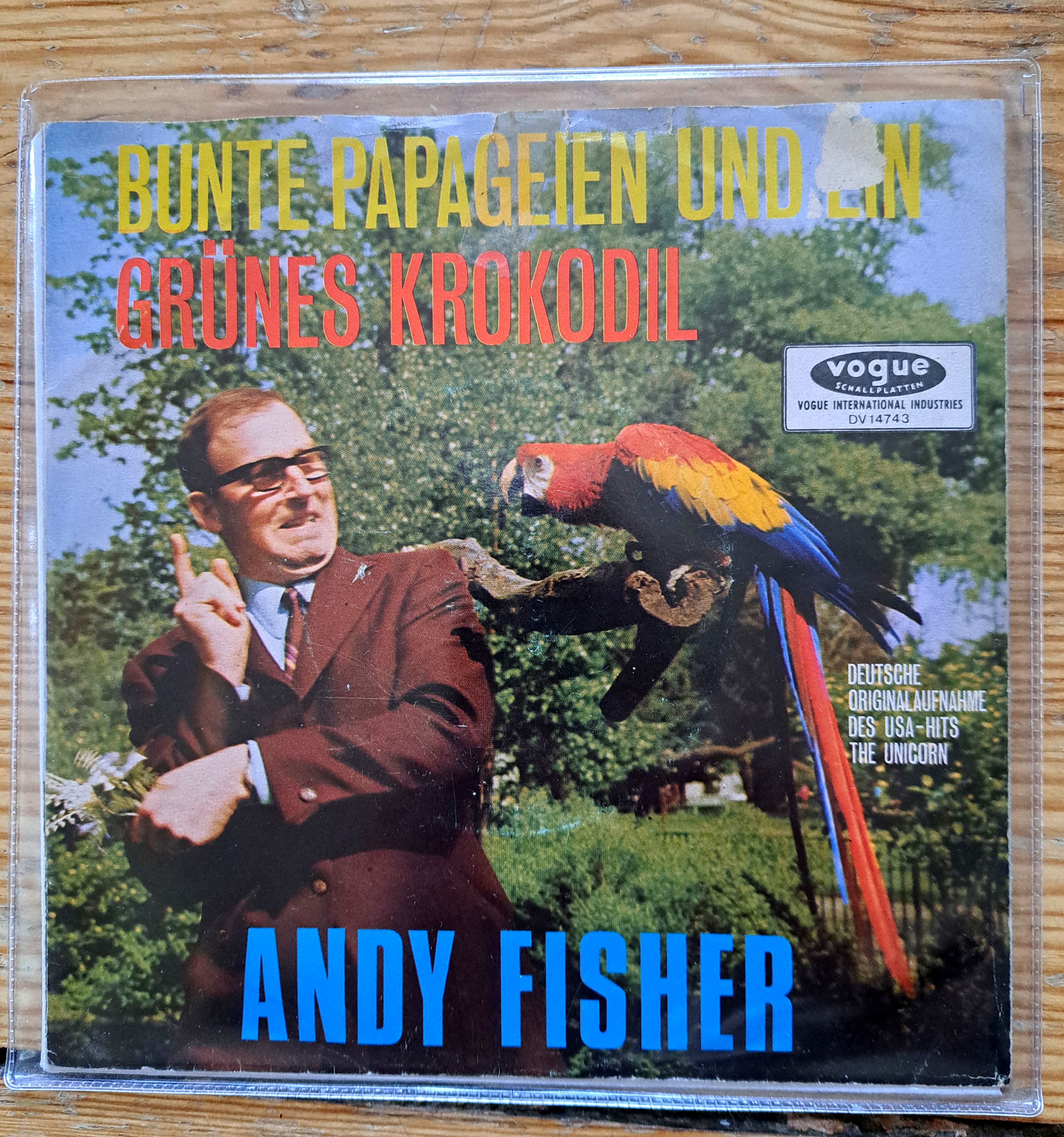
ANDY FISHER – Bunte Papageien und ein grünes Krokodil (1968)
DIE 2 PAPAGALLI – Lora
SYNCHRO ARCHIV – Demonstration 1
CHARLESTON HOT PEPPERS – Bald sind wir ein Paar (1961)
FRED GARTNER UND SEIN QUINTET – Der Eisenbahnschienen-Sägescheich von Kurdistan
ALICE BABS – Jodel-Boogie (1956)
ALICE BABS – Jodel-Jockel (1956)
ALICE BABS – Jodel Cha-Cha (1957)
DONN REYNOLDS AND THE TEXANS – Texas Jodle (1959)
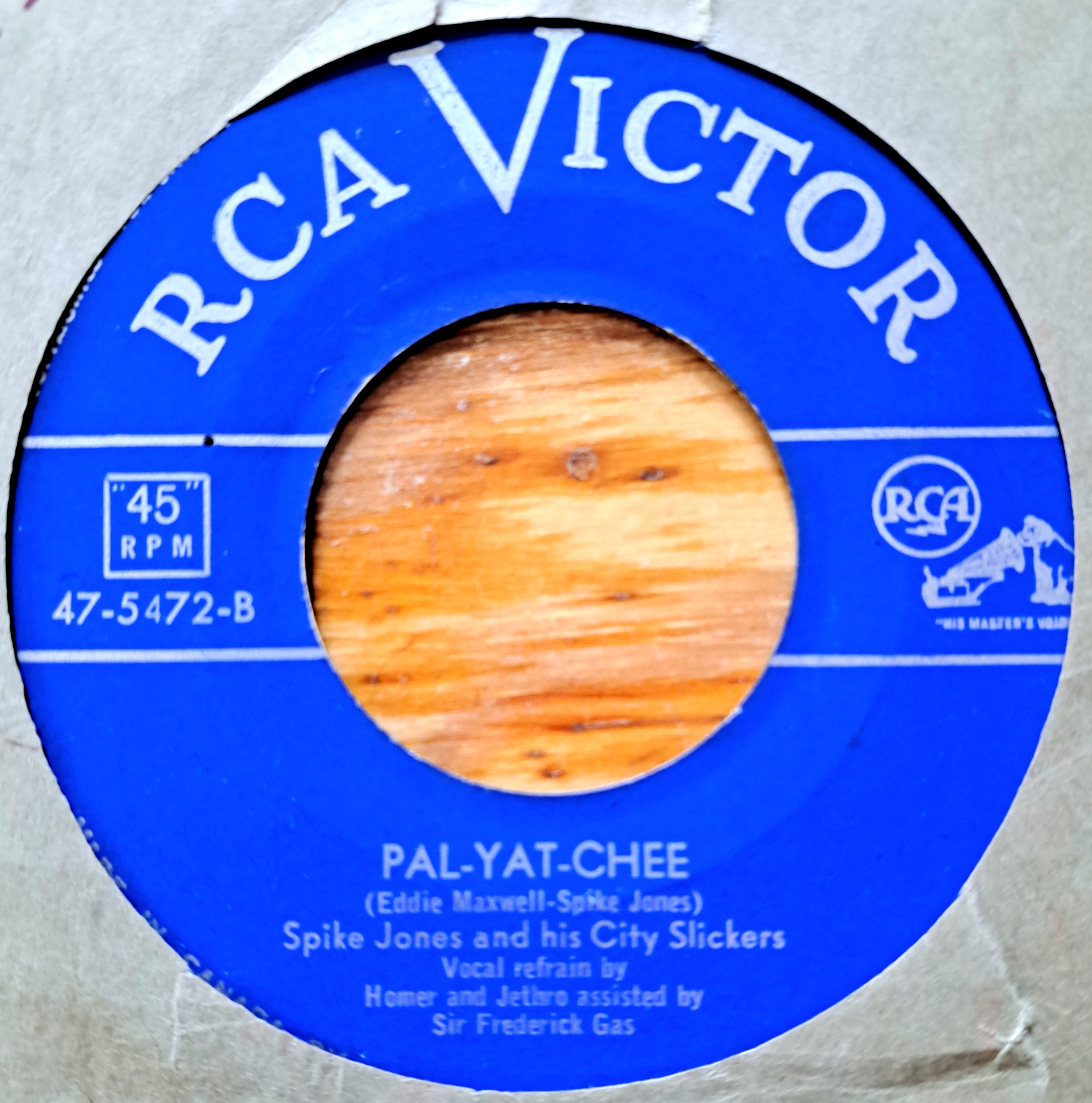
SPIKE JONES AND HIS CITY SLICKERS WITH VOCAL REFRAIN BY HOMER AND JETHRO ASSISTED BY SIR FREDRICK GAS – Pal-Yat-Chee (1953)
EDDIE WILSON – Wahre Liebe fand ich erst am Neckarstrand (Original Starday Recording)
DAS SILBERSEE TRIO – Winnetous bester Freund (1963)
GUNNAR WIKLUND – Ich reite nach Hause (Detroit City)(1964)
BILL RAMSEY – Old Jonny war ein Wunderkind (1962)
HELMY`S HOT-CLUB – Rock´n “Roll-Mops”
DIE CONTINENTALS – Oh Mister Brown (was macht ihr Harem?)(1962)
DIE CONTINENTALS – Hüh-A-Hoh (Wheels)(1960)
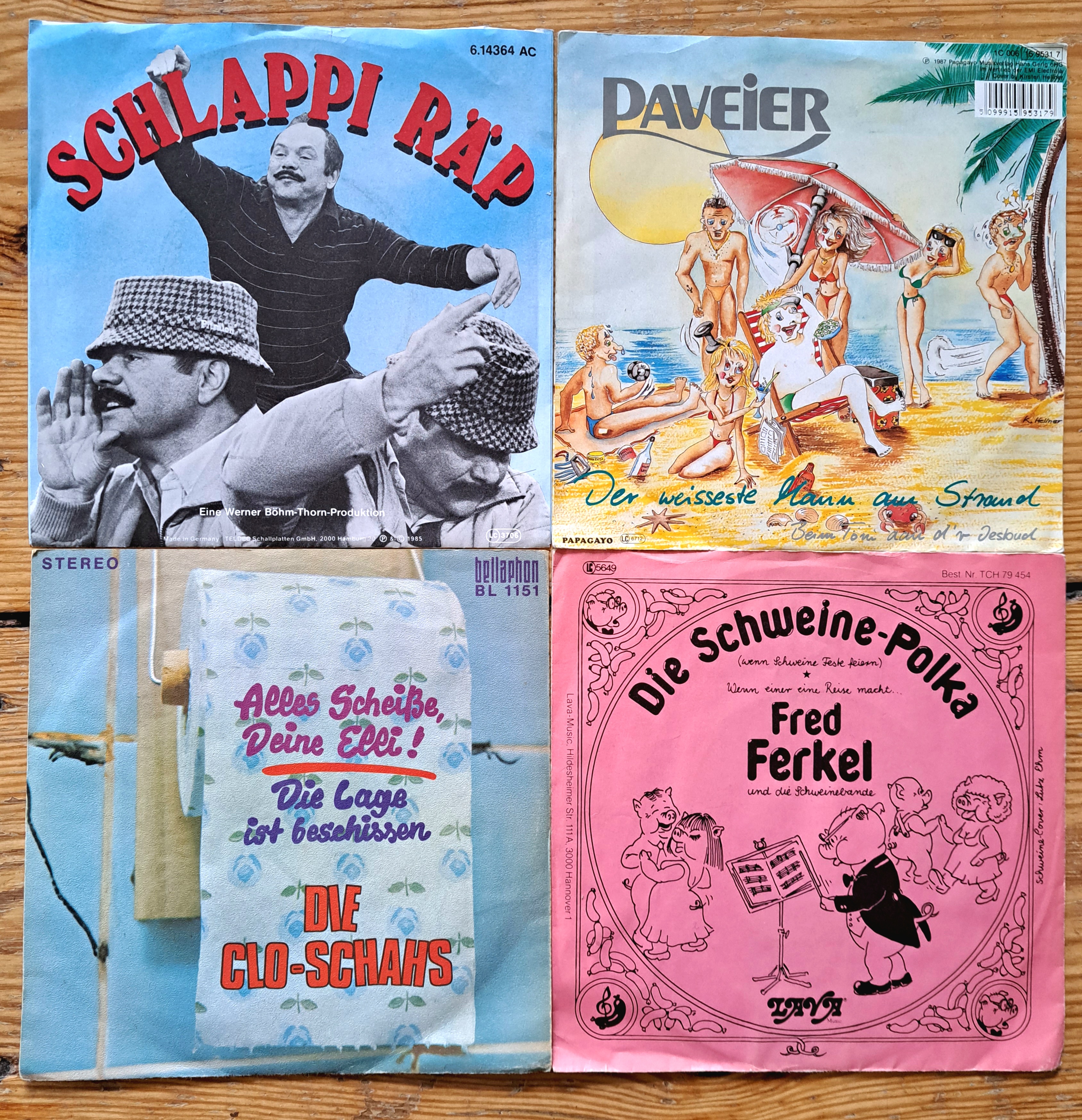
DIE CLO-SCHAHS – Die Lage ist beschissen (1971)
ORCHESTER WOLF GABBE – Kleine Fische
HANNA LOREN – Melodie D´Amour
KLAUS SCHLAPPNER – Schlappi-Räp (1985)
RUMPELSTITZ – Kiosk (1977)
BING WITTCAMP UND DIE KAKADUS – Ja, der Johannes (1968)
HEIDI KABEL – Tratschen tu ich nich´ (1966)
FRED FERKEL UND DIE SCHWEINEBANDE – Wenn einer eine Reise macht (1980)
PAVEIER – Der weisseste Mann am Strand (1987)
DE DINGS UND DE DINGSBUMS – Hello, Old Germany (1990)
PAUL KUHN – Snoopy (1969)
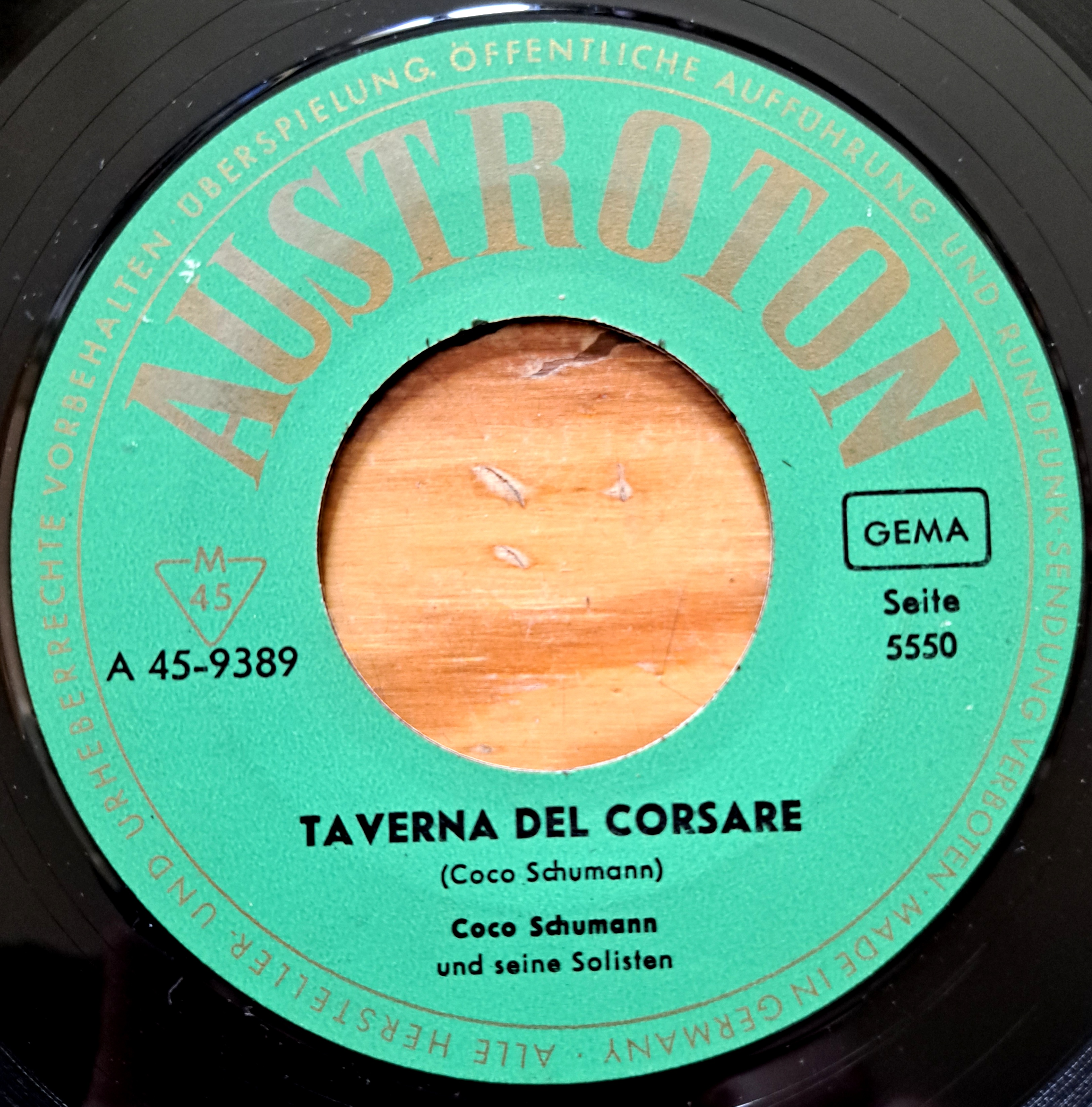
COCO SCHUMANN UND SEINE SOLISTEN – Taverna Del Corsar
KNUT KIESEWETTER, Ich danke euch Reaktionären, 1974
Posted: February 10, 2022 Filed under: 70´s, Political Records 1 Comment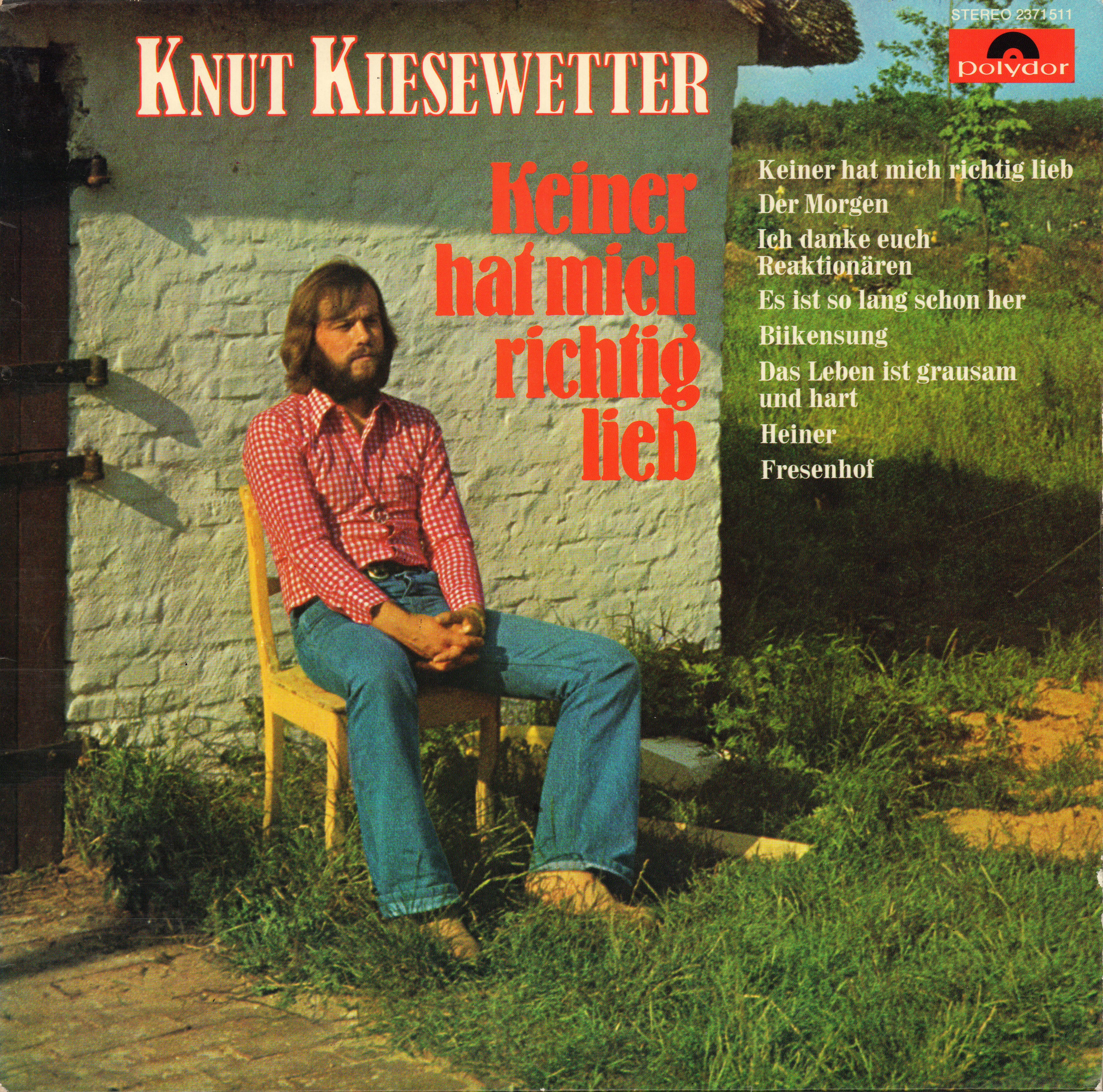
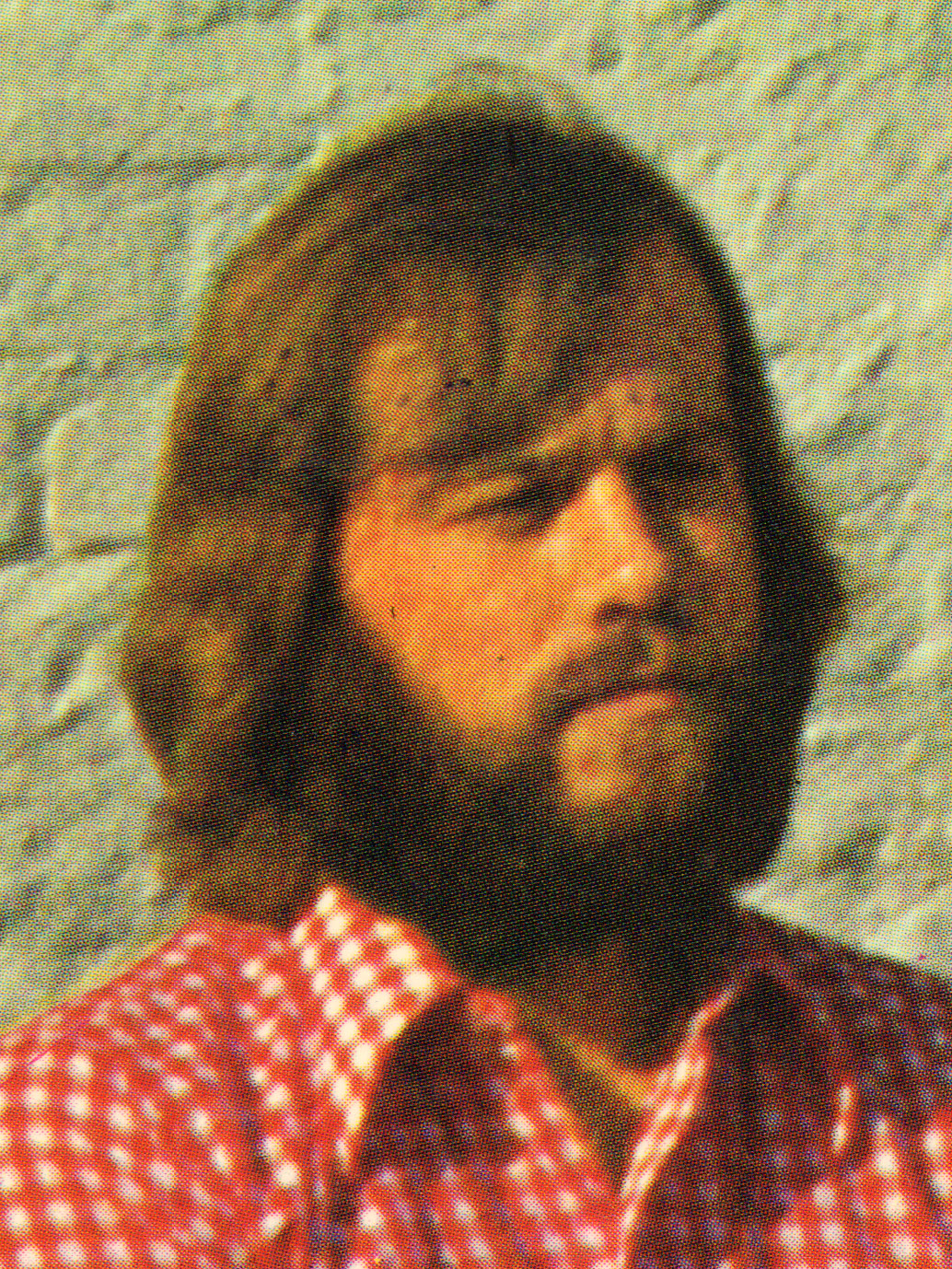
Knut Kiesewetter was a unusually versatile artist who recorded jazz, gospel, schlager, singer-songwriter stuff, even comedy and promotional songs. He also wrote a few political songs that were leftist but not dogmatic. Ich danke euch Reaktionären (Thanks, reactionaries), from the album Keiner hat mich richtig lieb, has never been reissued and is not available digitally. The lyrics are still valid after almost 50 years: “Thanks, reactionaries, you keep me on my toes. It´s time to strike back.”

Jazz vs. Rock and Roll
Posted: September 12, 2018 Filed under: 50s, Comedy, Jazz Records, Rock´n´Roll Records, USA 3 Comments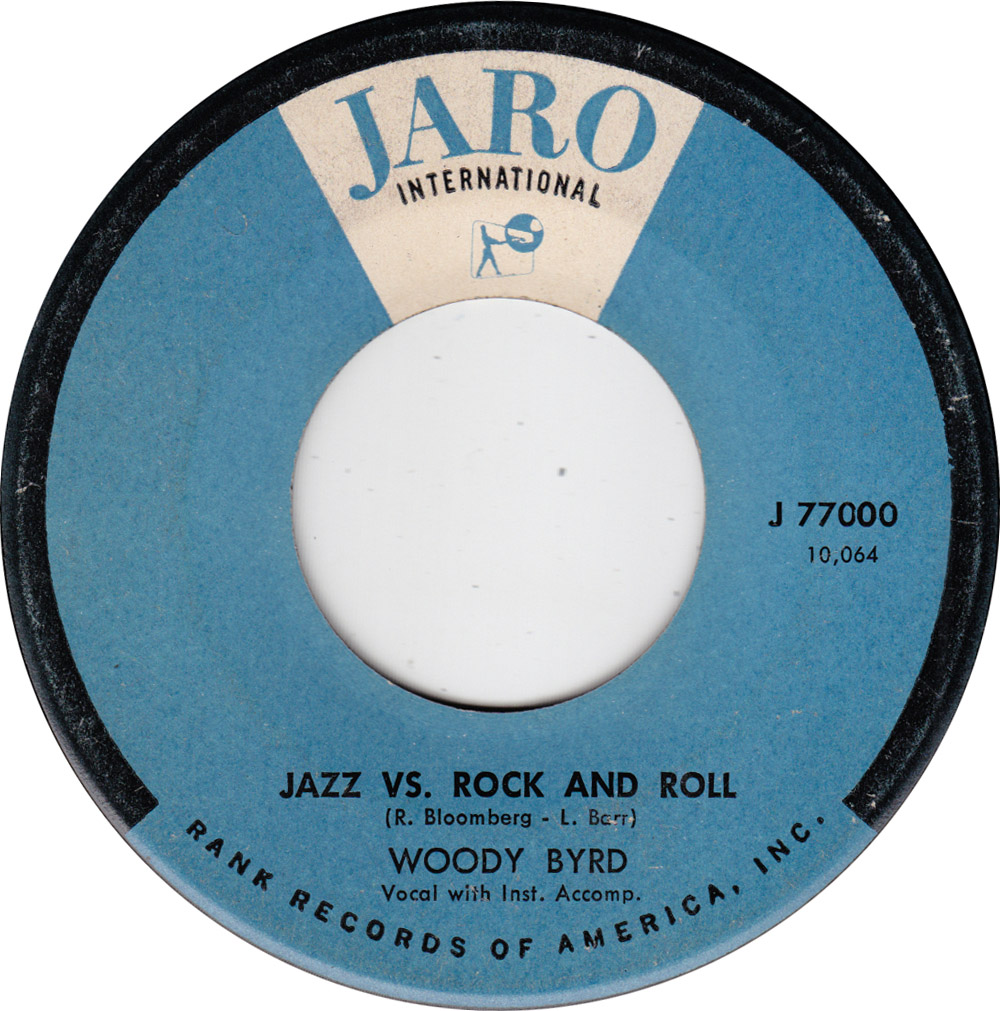
 My baby and I, had a fight last night/ She said I´m wrong, but I know I´m right/
Now, I love that gal – heart and soul/ But I dig Jazz! … and she loves Rock´n´Roll!
Found this crazy 45 in the cheapo bin of a local second-hand record store last week, for one measly Euro. No idea how it ended up there, but it sure is a killer.
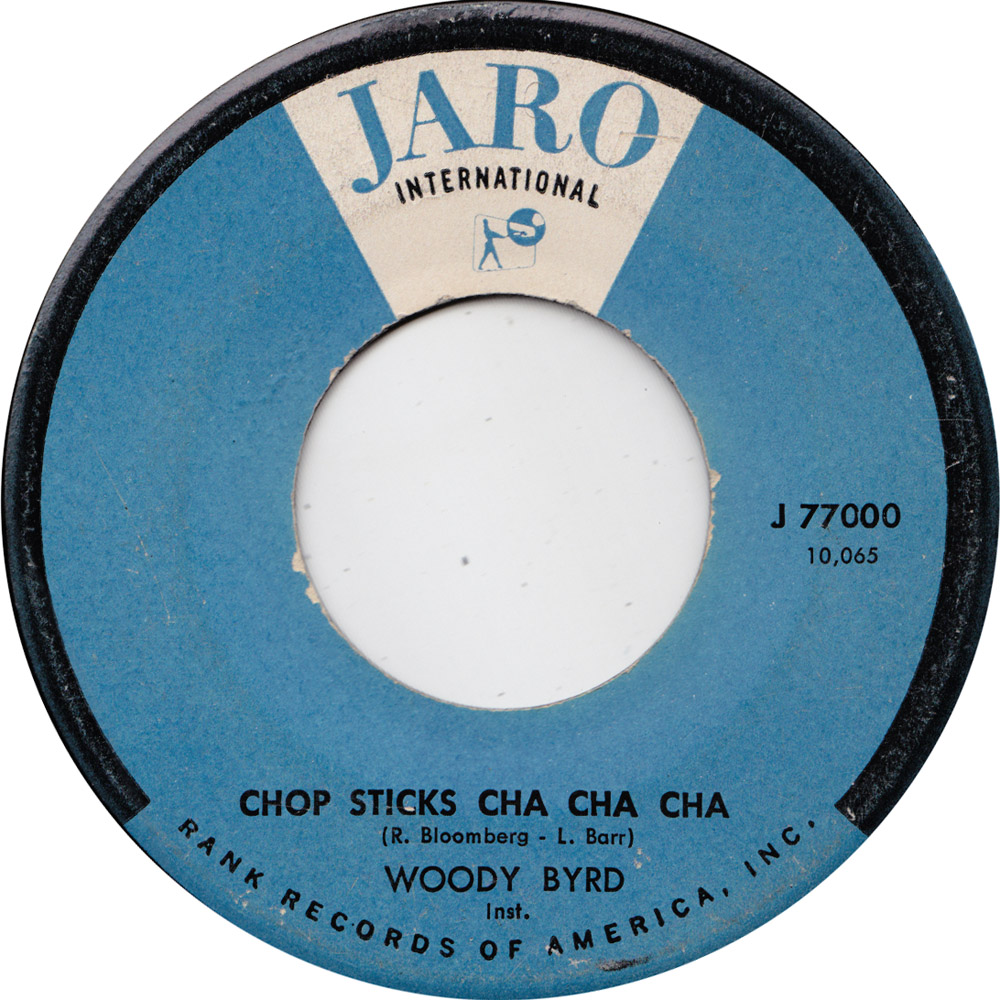
Issued by the Jaro label in 1959, at the hight of the Beatnik-craze, this was Woody Byrd´s sole 45. Jaro was a subsidiary of Top Rank International. This seems to be the label´s first release. Both sides were also issued on Top Rank in New Zealand. Jazz vs. Rock and Roll would have fit perfectly on the Welcome to the Beat Generation – comp that came out in the late 90s. Despite its cool combination of jive talk, swingin´ jazz music and rock´n´roll guitars, the song has never been re-released. At least I couldn´t find it. Maybe it´s too much of a real novelty break-in record, to be of interest to rock´n´roll fans. Much less jazz fans.
Or maybe it´s just too silly…
WOODY BYRD, Jazz vs. Rock´n´Roll, 1959
The title of the flip is a bit misleading. Chop Sticks Cha Cha Cha is a latin-tinged Rhythm & Blues tune with a cool saxophone solo…
WOODY BYRD, Chop Sticks Cha Cha Cha, 1959
My baby and I, had a fight last night/ She said I´m wrong, but I know I´m right/
Now, I love that gal – heart and soul/ But I dig Jazz!/ …/ and she loves Rock´n´Roll!/…/
She said I´m square and just don´t swing/ I said get hip baby and dig my scene/
Oh me oh my what a rigamarole/ cause I love Jazz!/ …/ and she digs Rock´n´Roll/…/
It was a wild scene all the way/ …/ two radios were blasting night and day/ …
I´d be coolin´Jazz on my Christmas set/ …/ Then she tuned in some crazy quartet!/ …/
(Turn it off! Turn it off!)
We were so confused, we didn´t know what to do/ So we just decided, that they both would do/
And now we get our kicks today,/ whenever we hear that cool cat say:/
(„A one, and a two and a…“)
Musikalisches Souvenir aus Georgien
Posted: September 6, 2018 Filed under: 70´s, Georgia, Promotional Records, World 4 Comments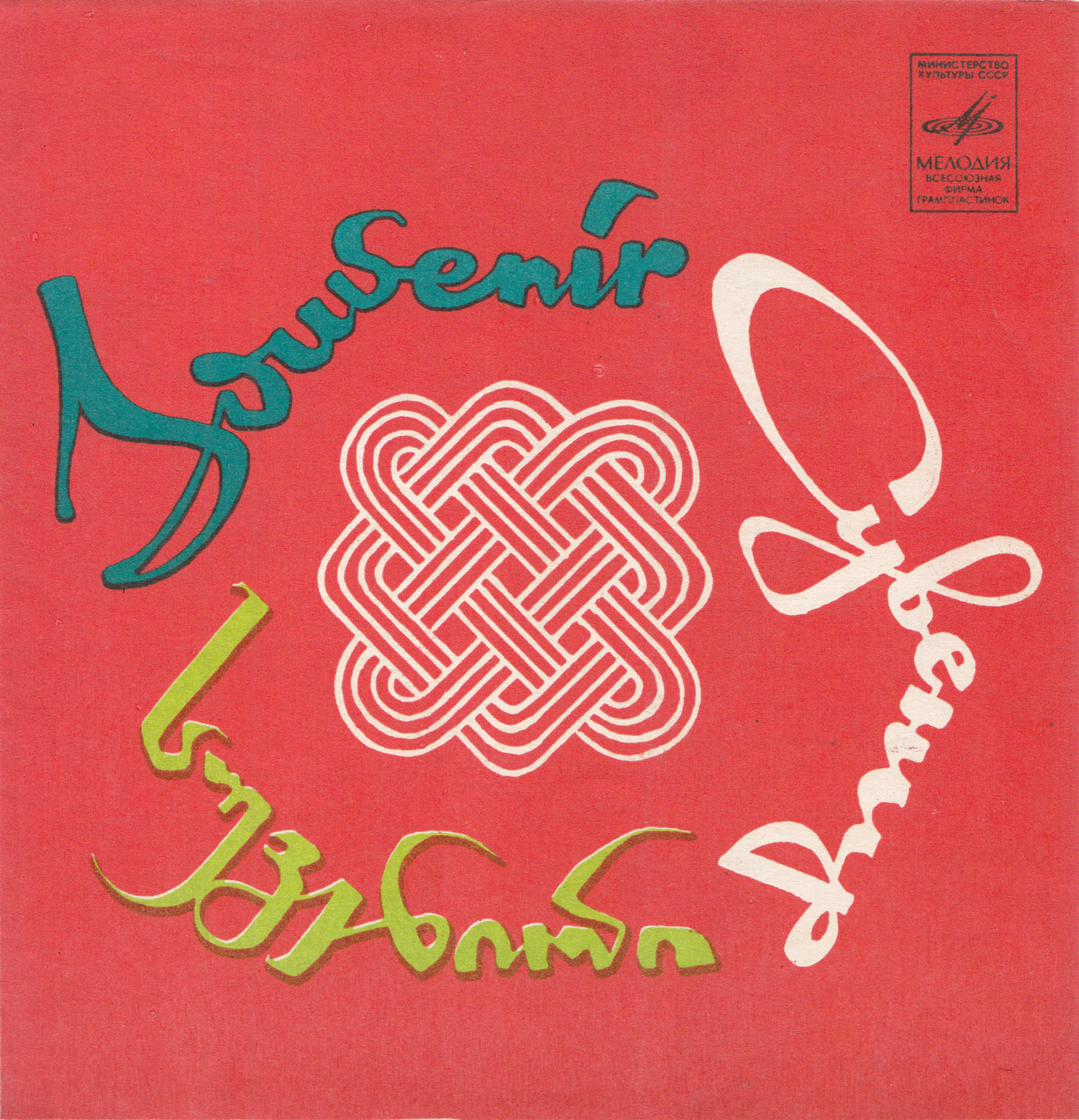
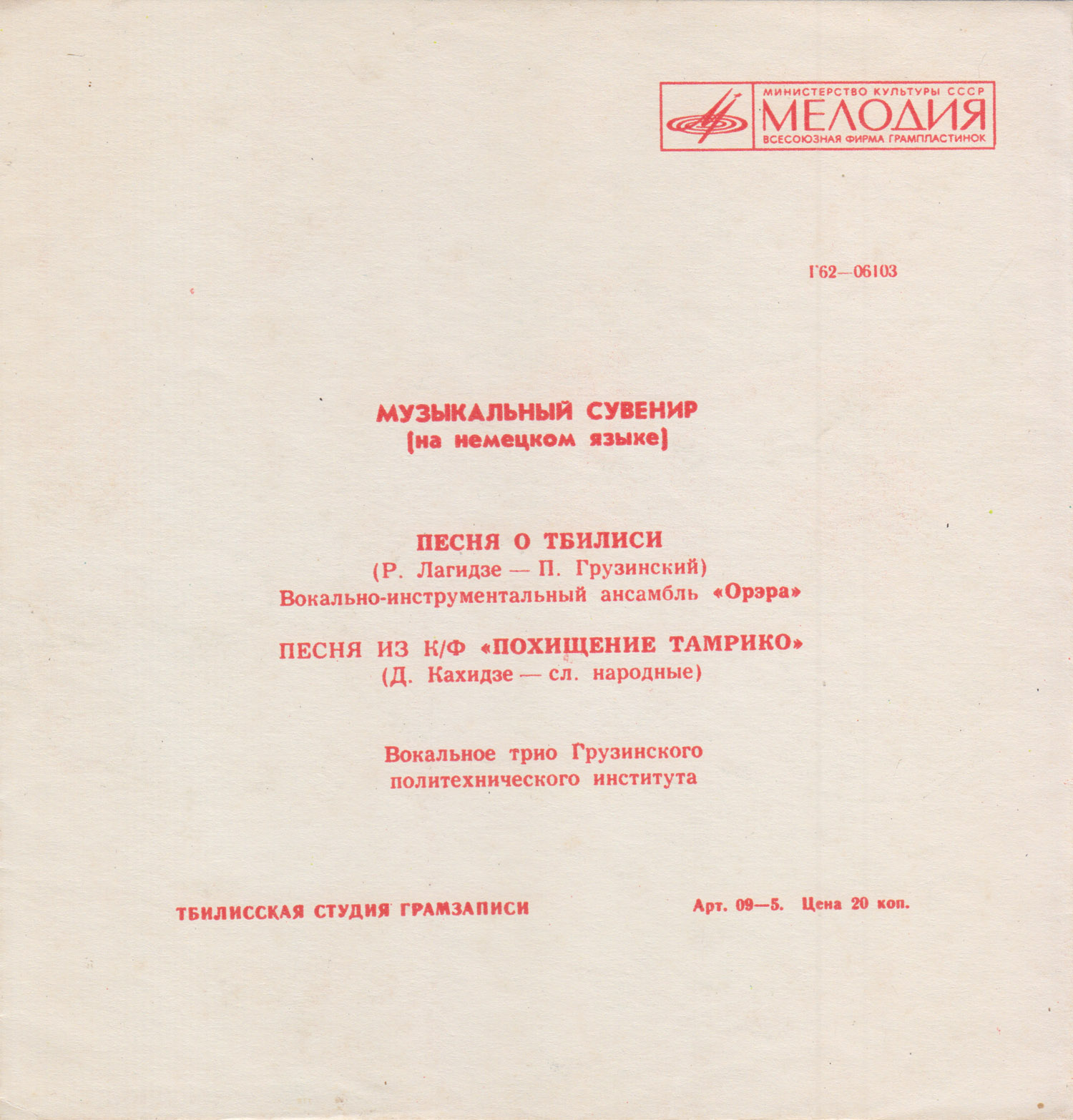
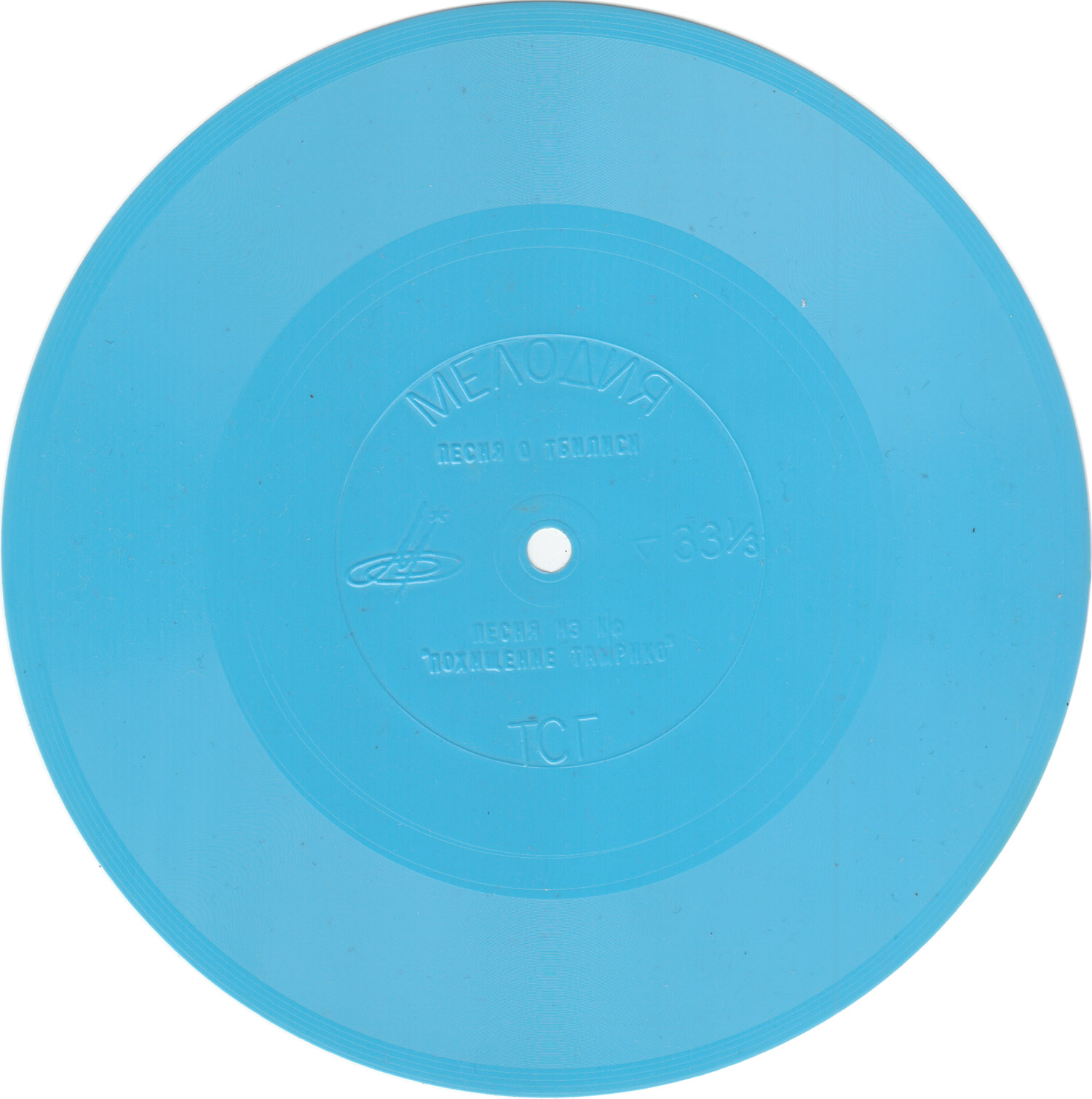 Found this flexi-disc last week, while on a trip to Tbilisi, Georgia, together with the staff of Jungle World. Our special Georgia issue hit the newsstands today. I turned out great! Thanks Jungle World for always taking me with you.
I bought about twenty Russian flexi-discs at Dry Bridge fleamarket, but only got to hear them when I came back home to Berlin. Imagine my surprise, when I suddenly heard a German voice on this record…
Musikalisches Souvenir aus Georgien
Apparently, this was a souvenir record geared at German visitors to Georgia in the 1970s. I think there is also a English version of it. The very thin blue russian Melodija Flexi has two songs. The first is by Georgian vocal instrumental ensemble Orera. Along with Dielo, Orera were the most famous pop groups of Georgia during the Soviet era. I guess the vocalist is Nani Brevadze. I have no clue yet, who performs the second song or what the name of the song is.
Bei uns in der kleinen Bar
Posted: April 5, 2018 Filed under: 50s, Cartoon Sleeves, Germany, Instrumental Records Leave a comment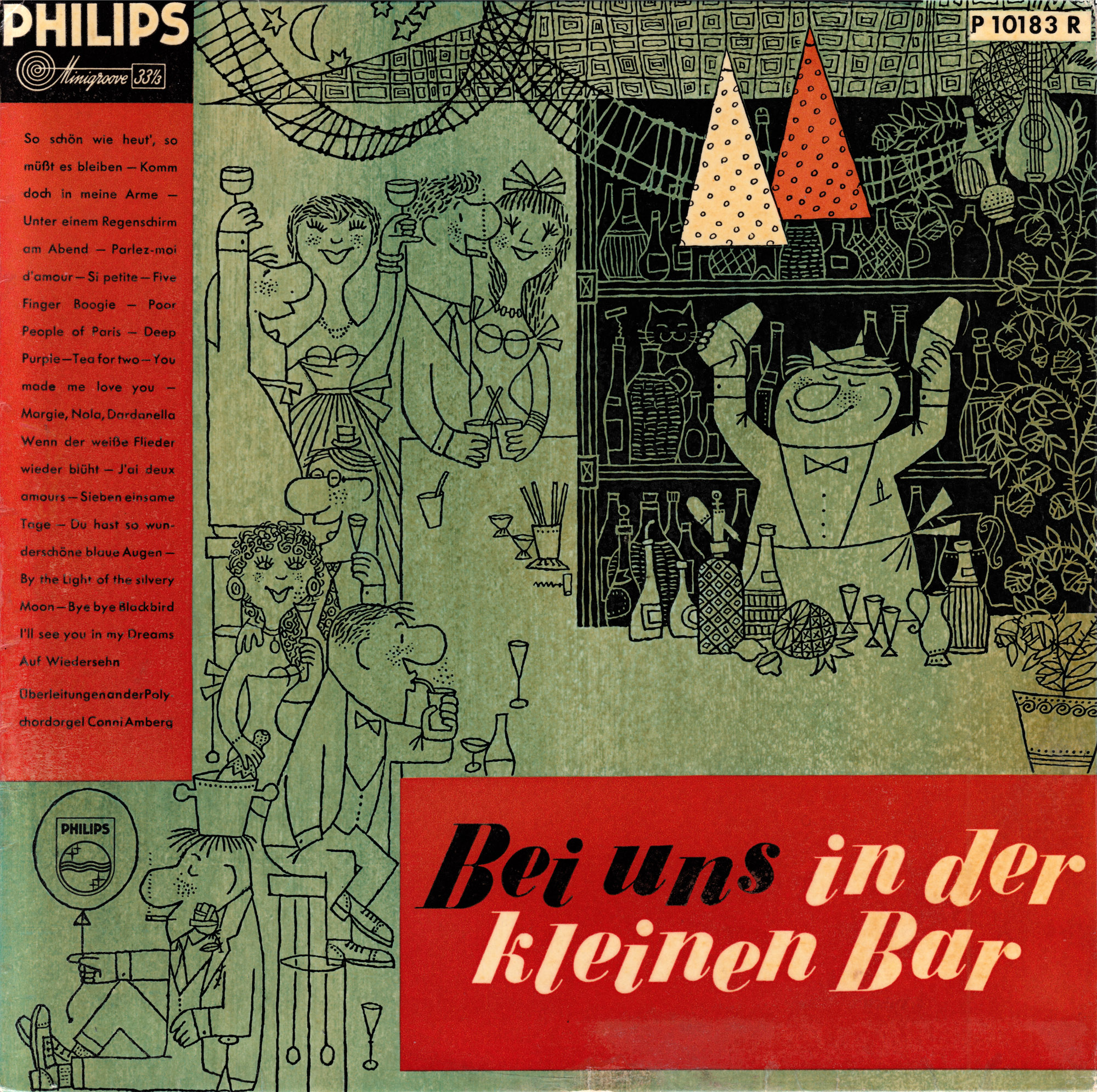
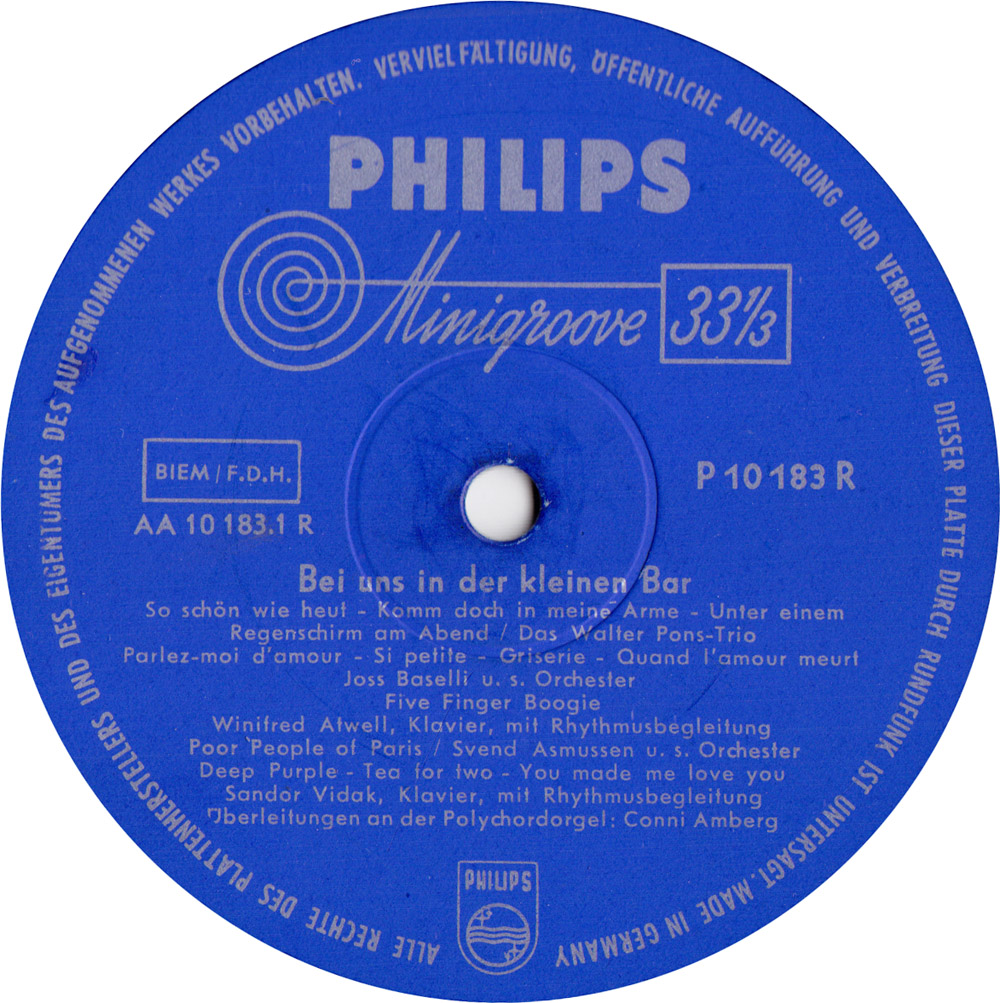
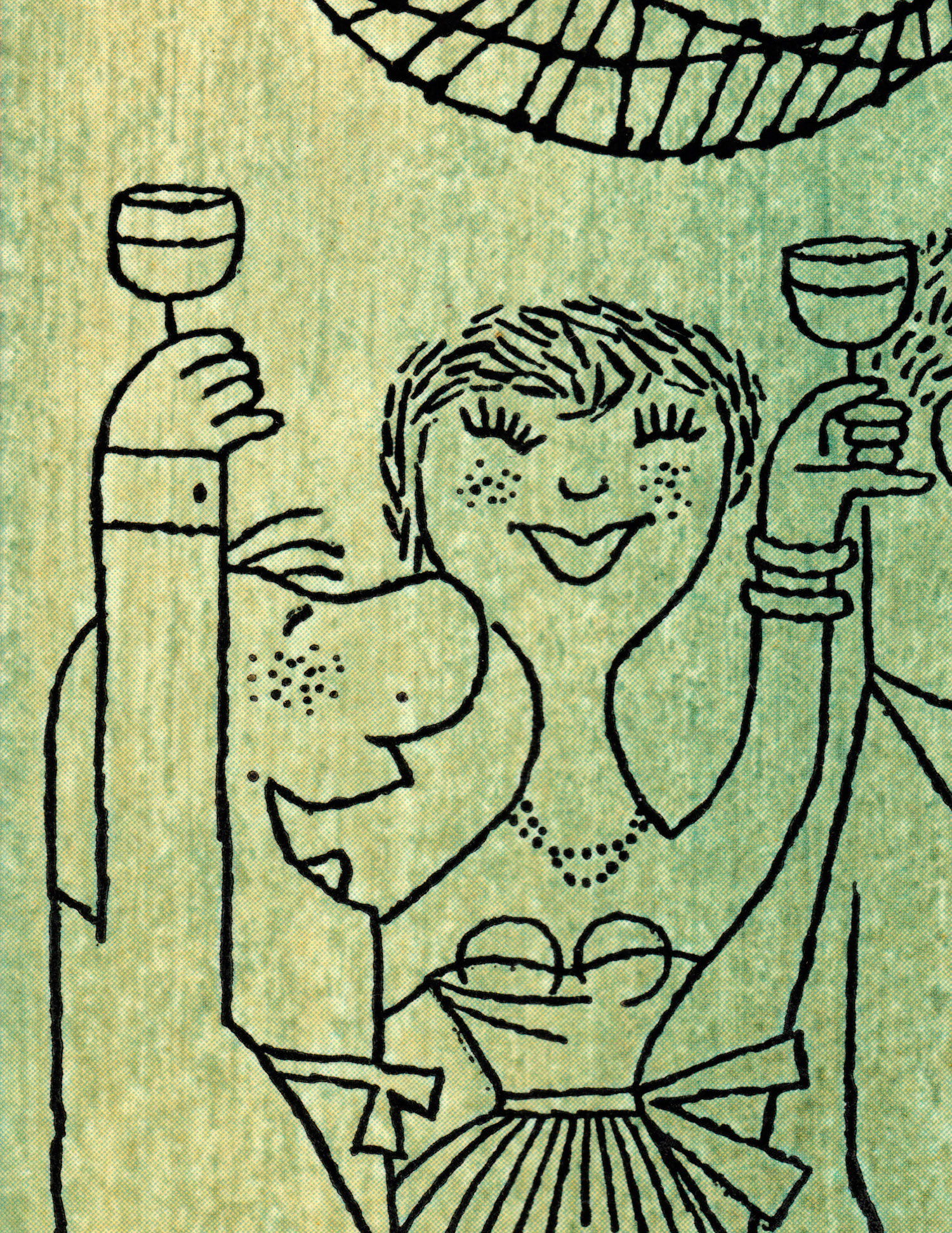
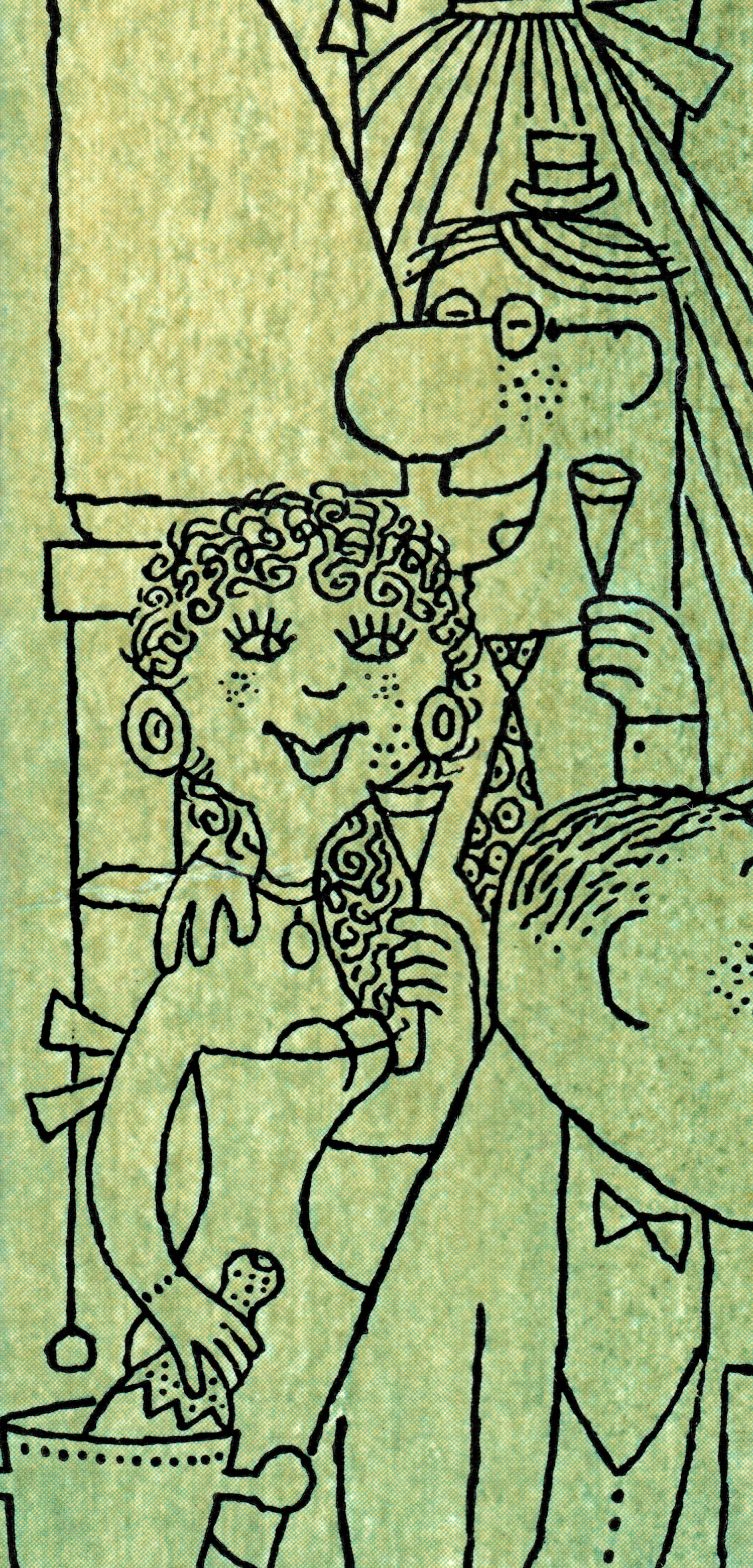
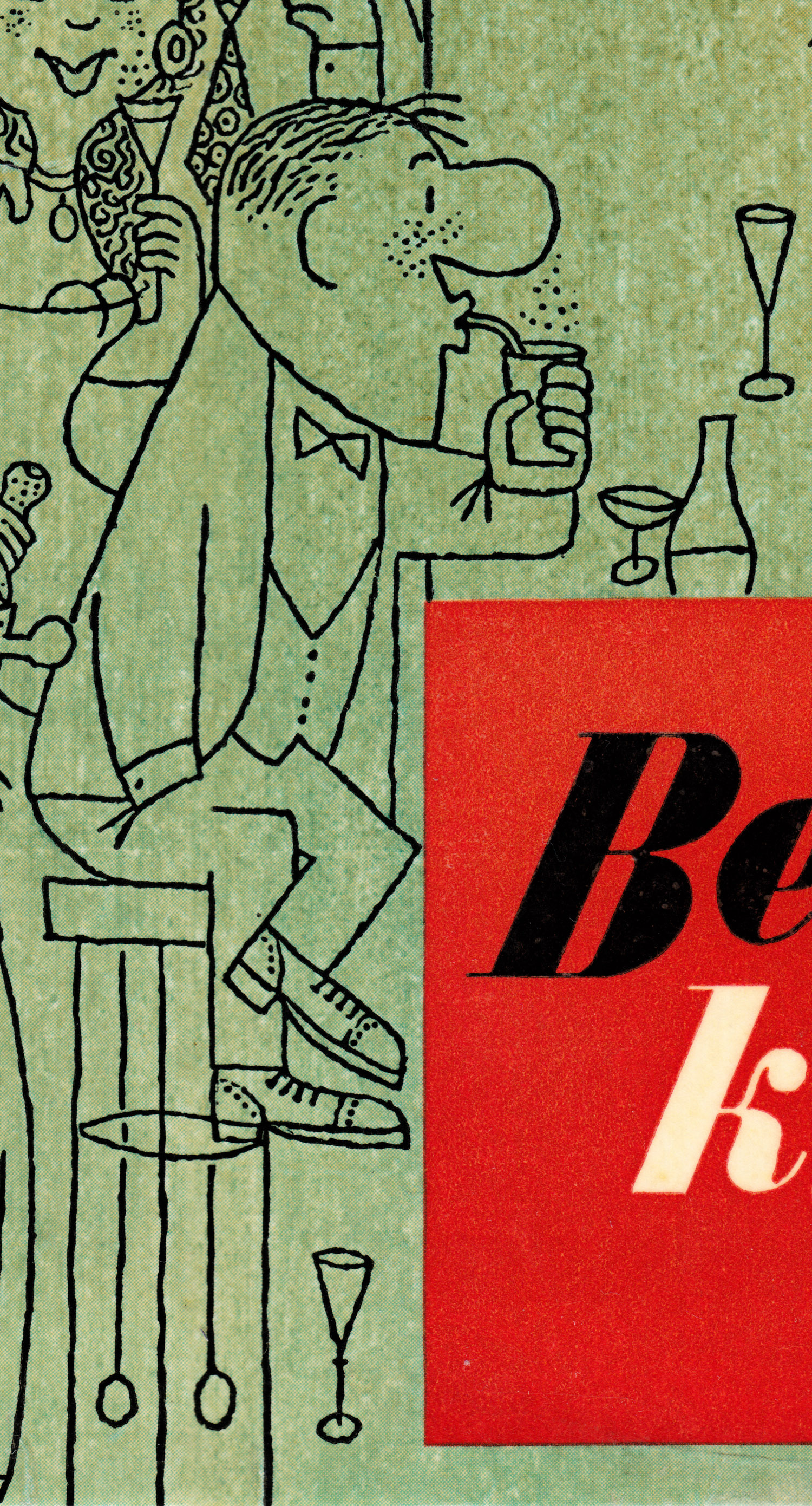
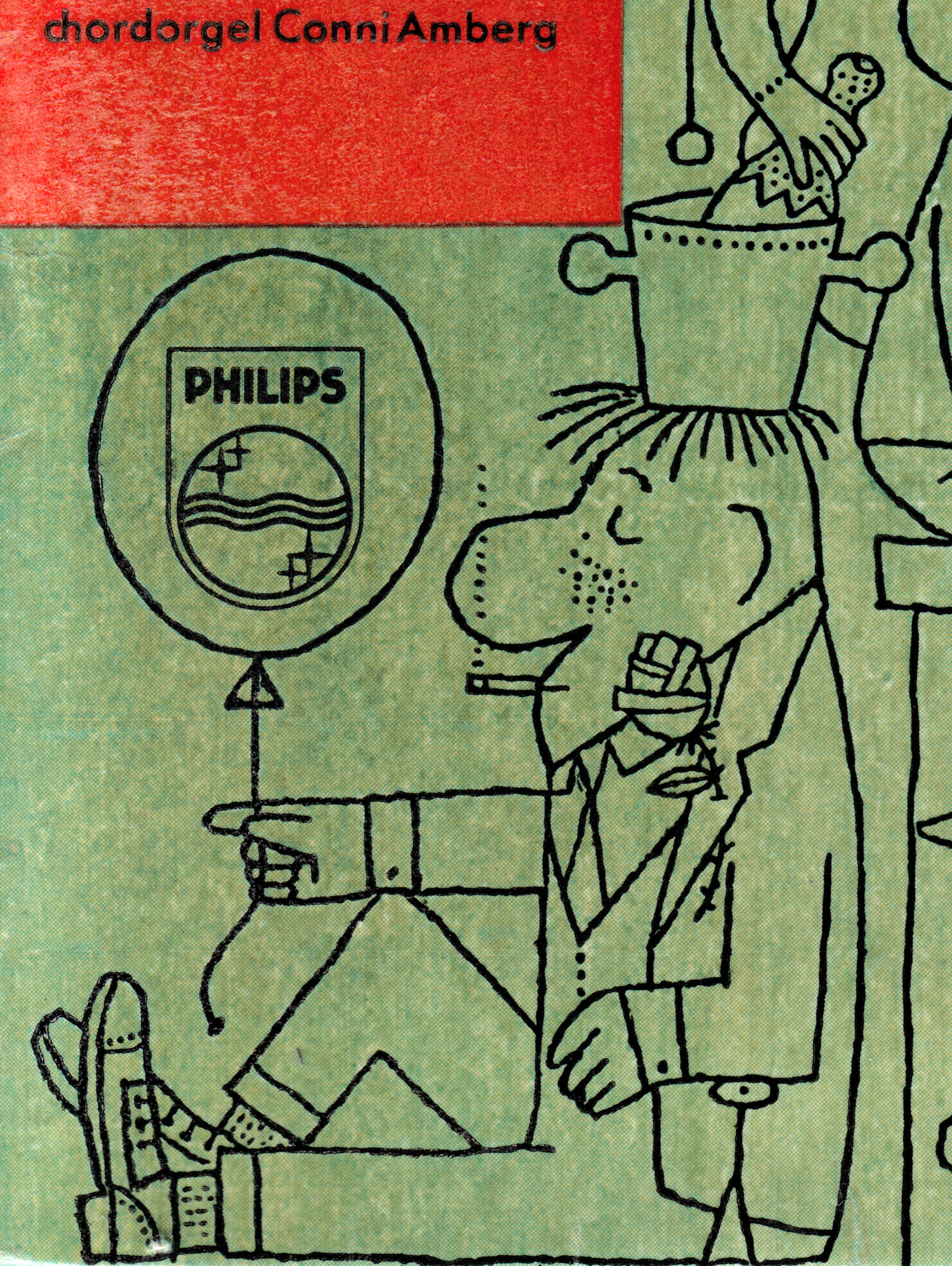
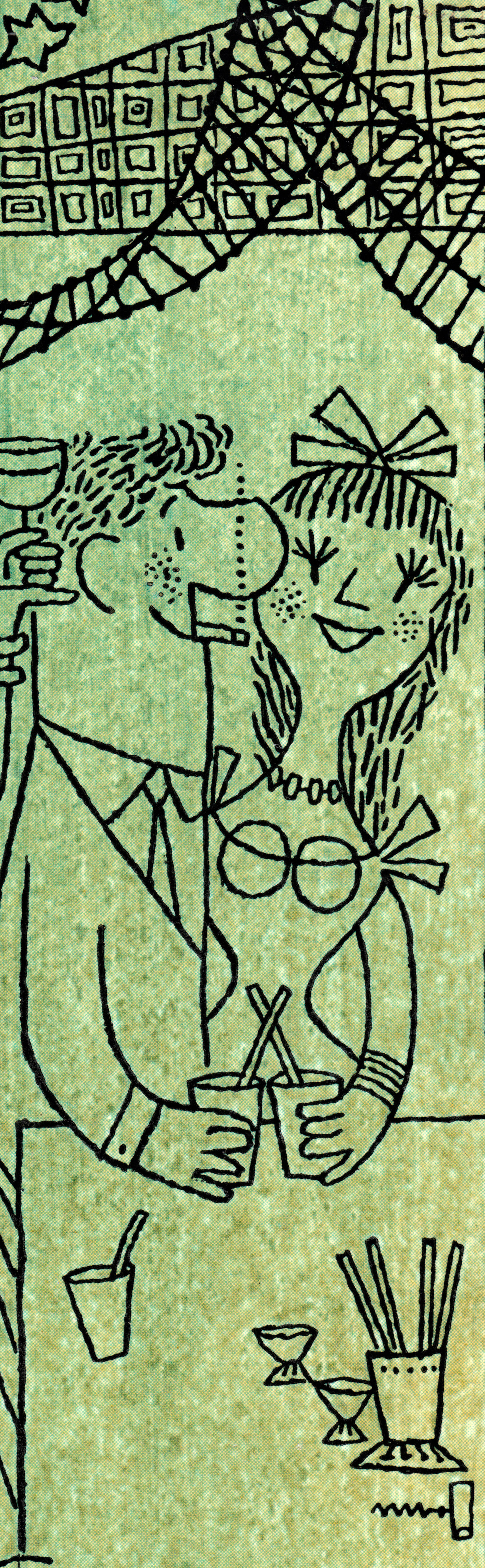
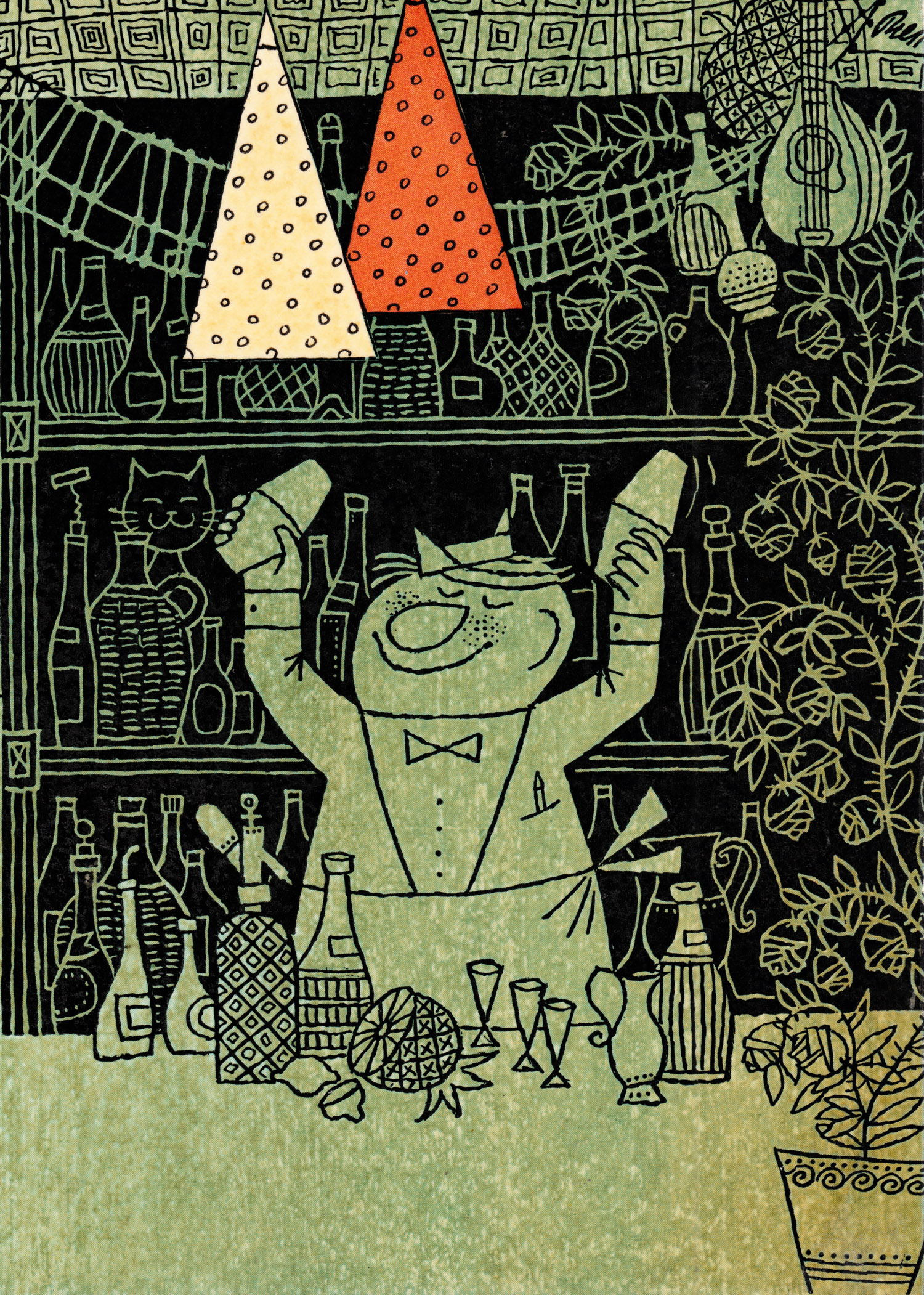
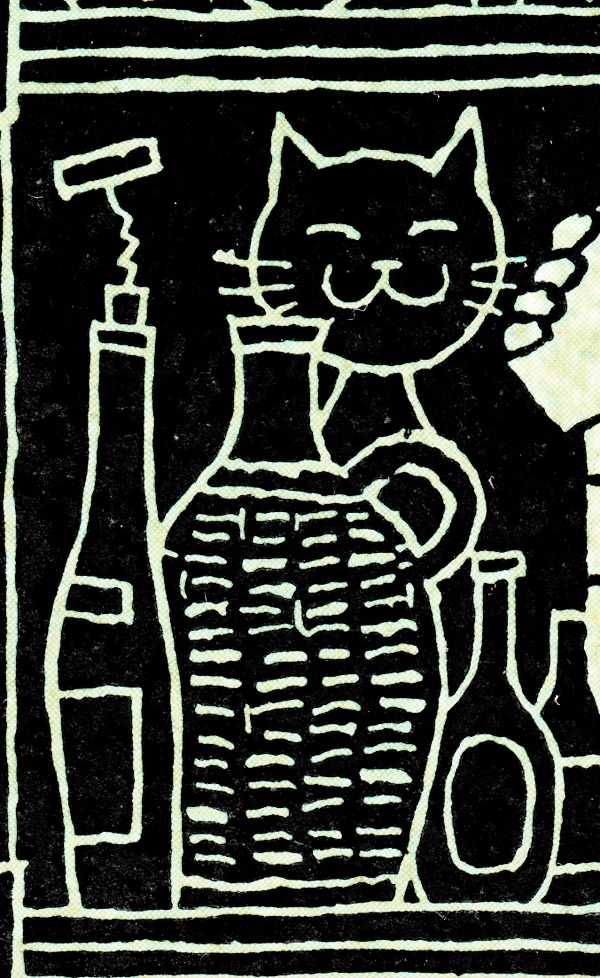
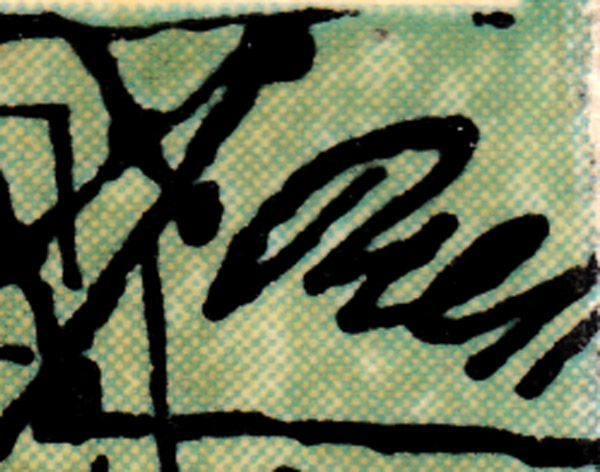
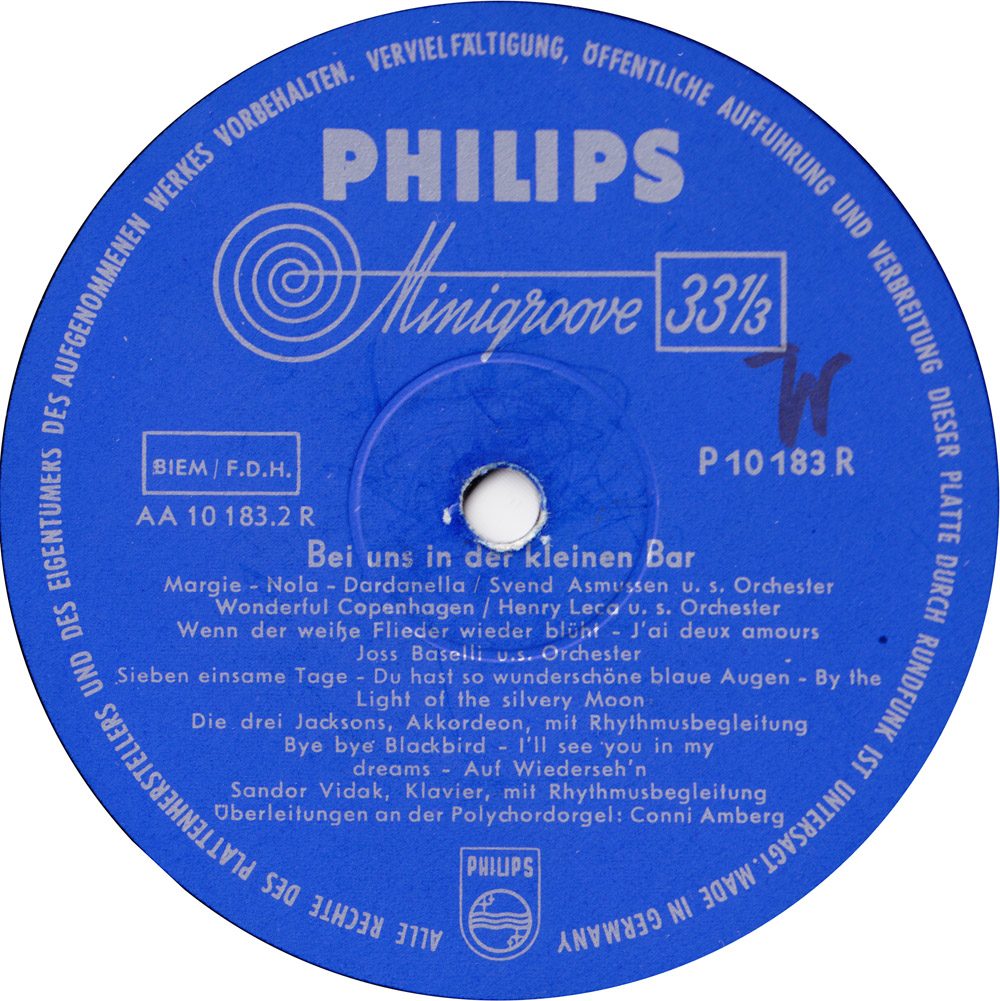 I´ve loved the drawing style of Hans Jürgen Press since I was a child, so I recognized it immediately when I saw the album cover of this 10″. The clear, slightly broken lines, the big noses and the light-hearted humor are typical for this outstanding German artist. Probably because it was not directed towards children, the design is not as overcrowded with detail as his usual work. There is a well hidden small signature in the far upper right corner. Just as well hidden as the clues that Press was known for placing in his picture puzzles in The Adventures Of The Black Hand Gang.
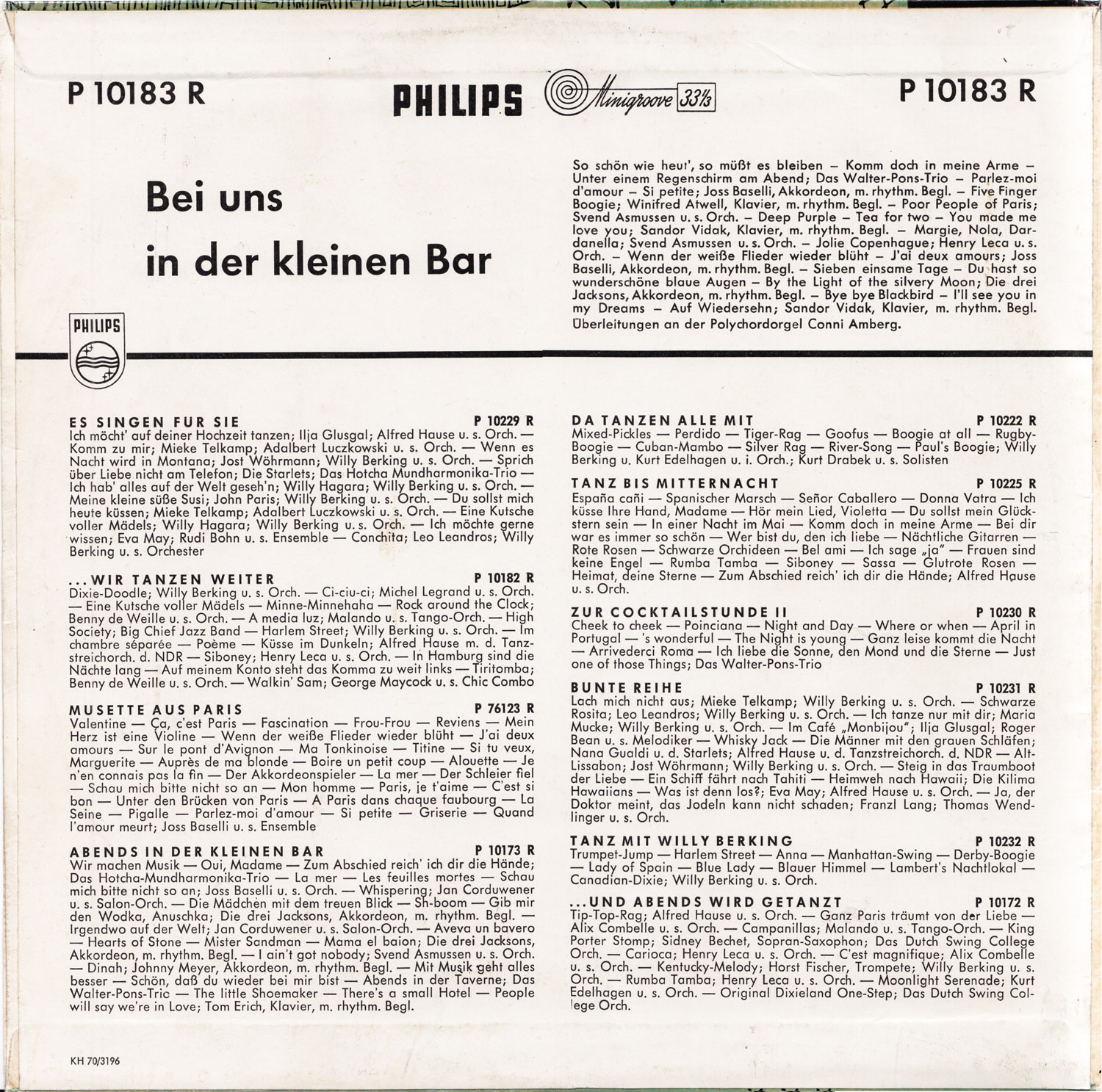
The album is a showcase of the Philips label instrumental pop catalog, ca. 1955, in combination with a “bar” concept: added background noise, chatter, clapping, glasses clanking, interrupted by the Polychord organ of Conni Amberg. It´s like a radio play without the speakers – you hear only the background sounds.
My favorite track is a medley of Margie, Nola and Dardanella by Svend Asmussen and his orchestra. Danish jazz violinist Svend Asmussen died last year at the age of 100. In the 50s, Asmussen was influenced by the violinist Stuff Smith, but this medley sounds more like the guitar wizardry of Les Paul…
BEI UNS IN DER KLEINEN BAR, Margie-Nola-Dardanella Medley
I like this version with the added clapping better than the original version. You can listen and compare it here.
Initially, I didn´t want to post the whole album, because I thought it was boring. Then, after listened to it for a while, I found it to be strangely soothing. I guess, I´m into elevator music now…
BEI UNS IN DER KLEINEN BAR, Seite 1
BEI UNS IN DER KLEINEN BAR, Seite 2
Kenn´ Se den?
Posted: March 25, 2018 Filed under: 50s, Berlin Records, Cartoon Sleeves, Comedy, Flexible Records, Promotional Records 1 Comment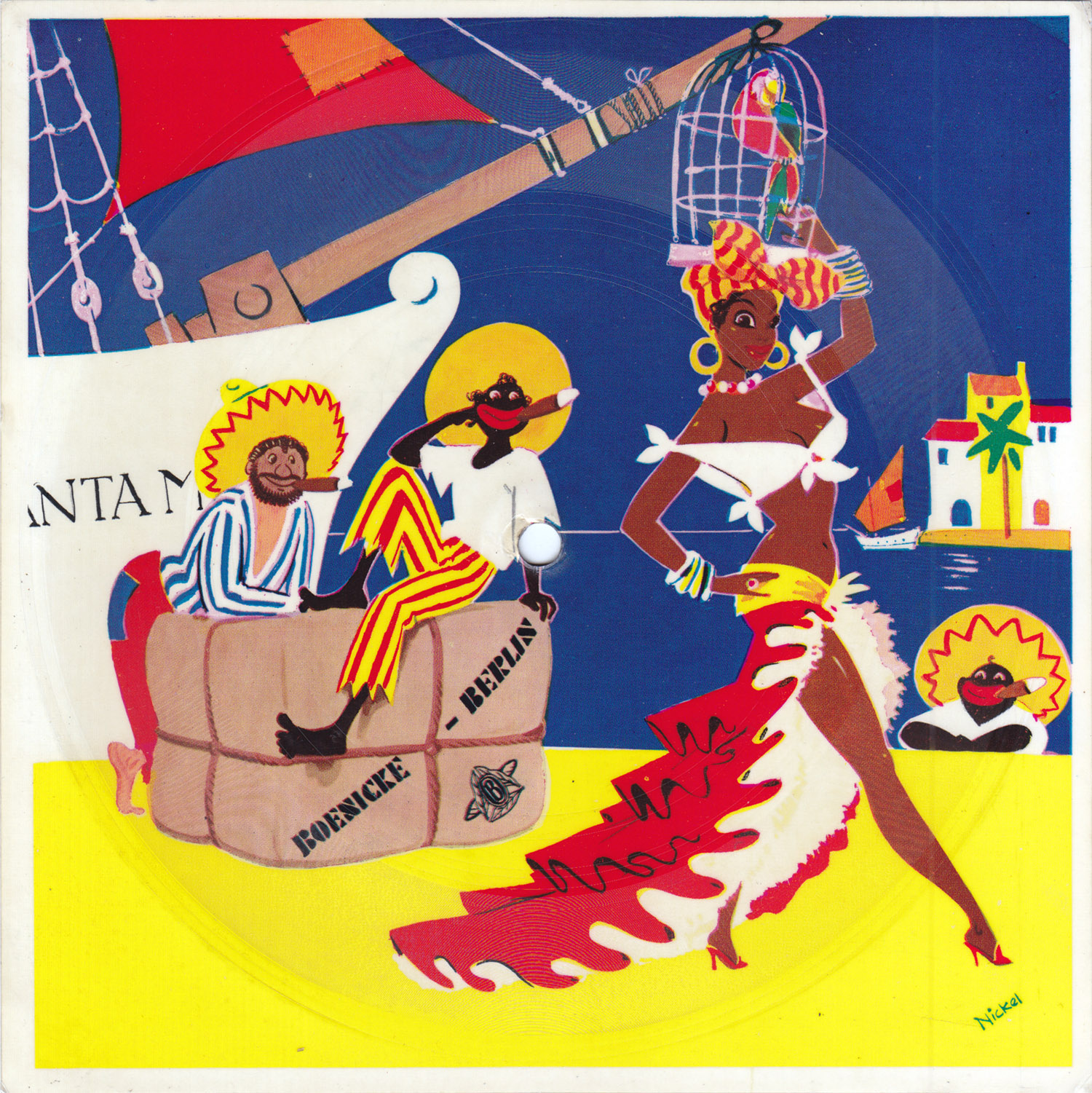
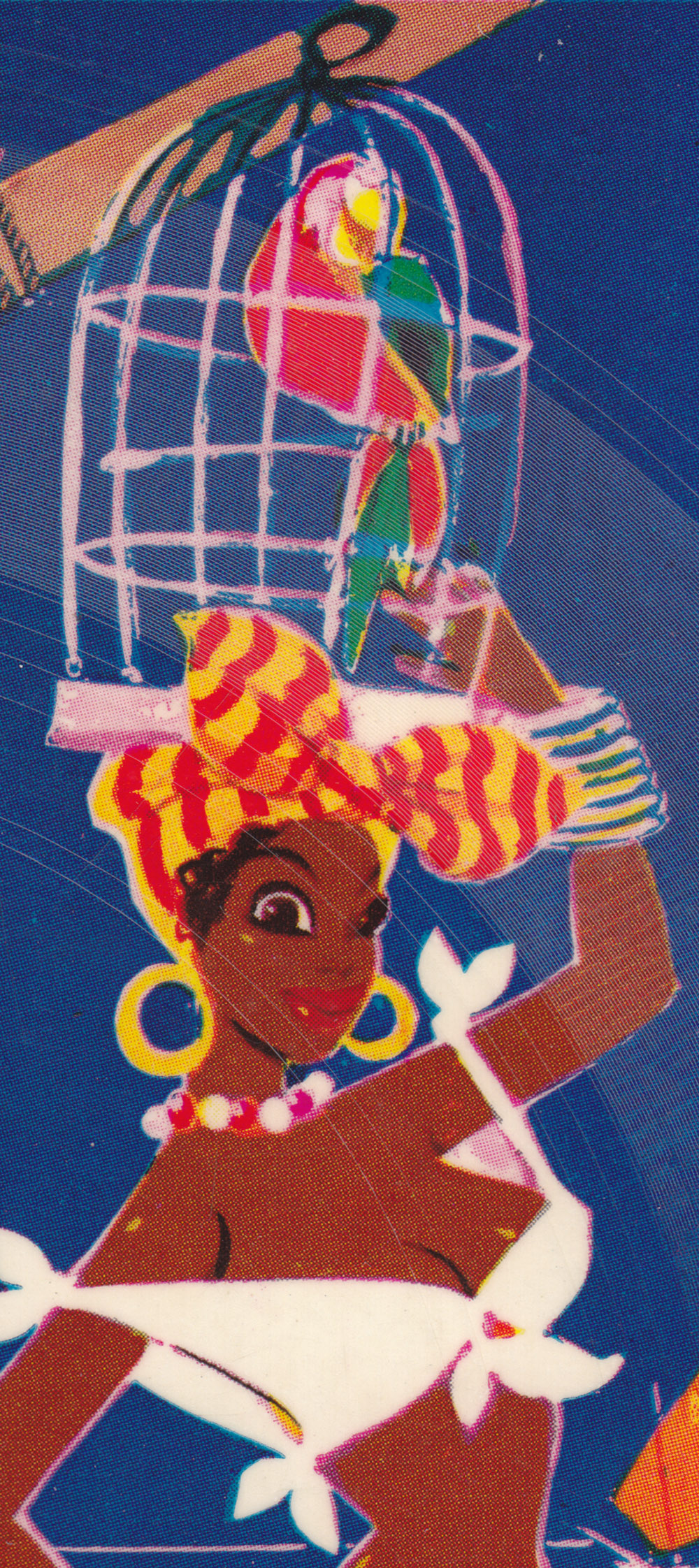
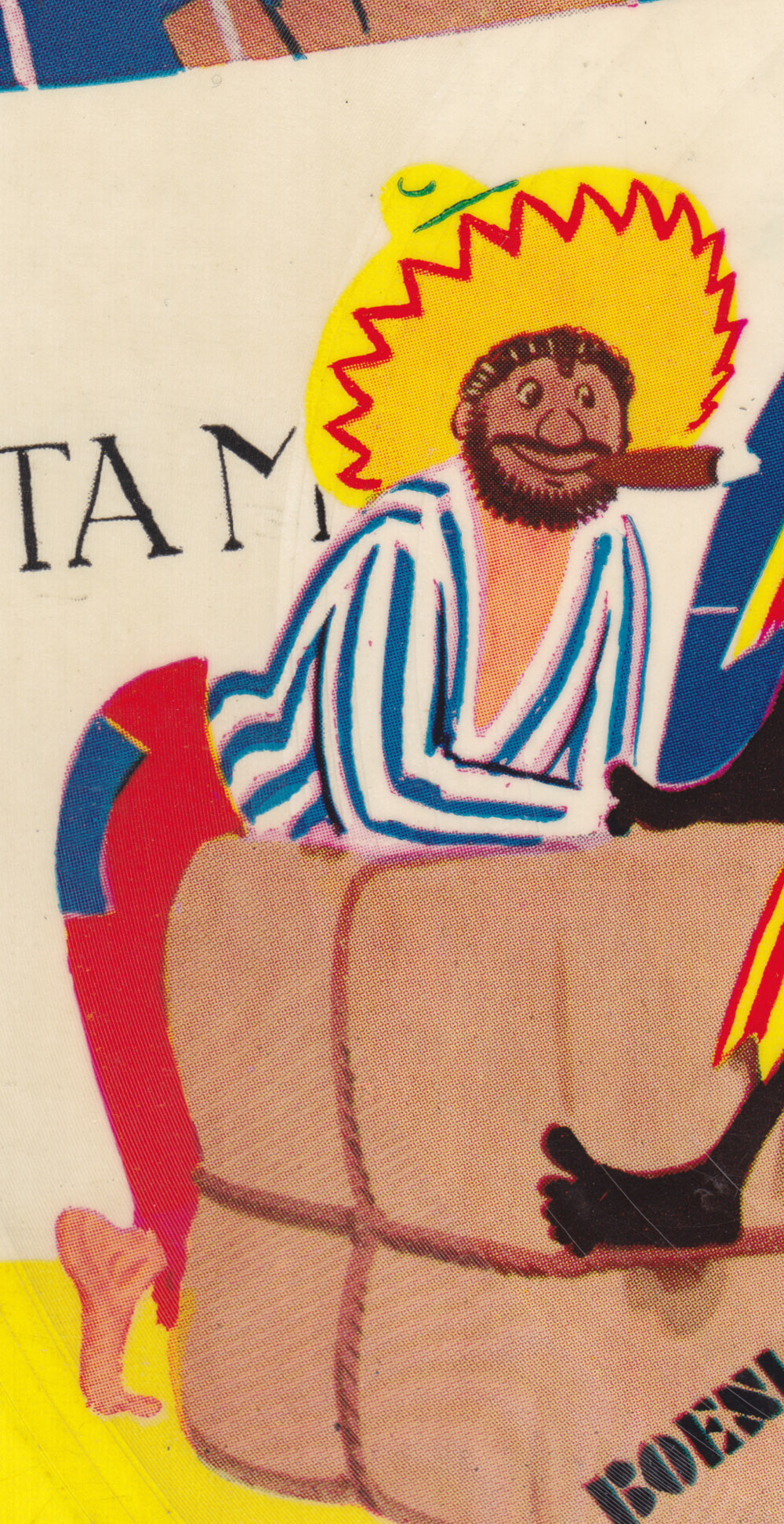
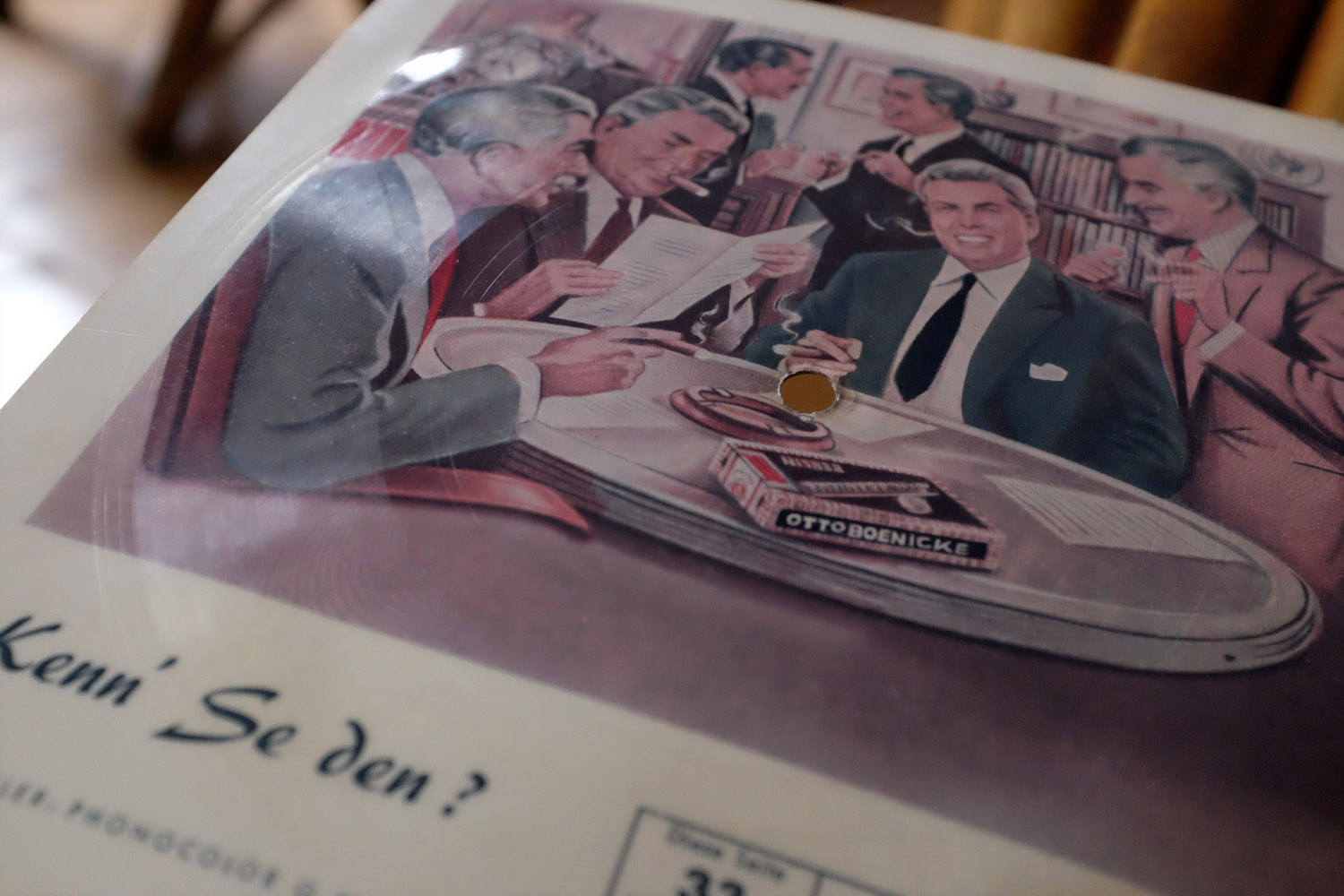
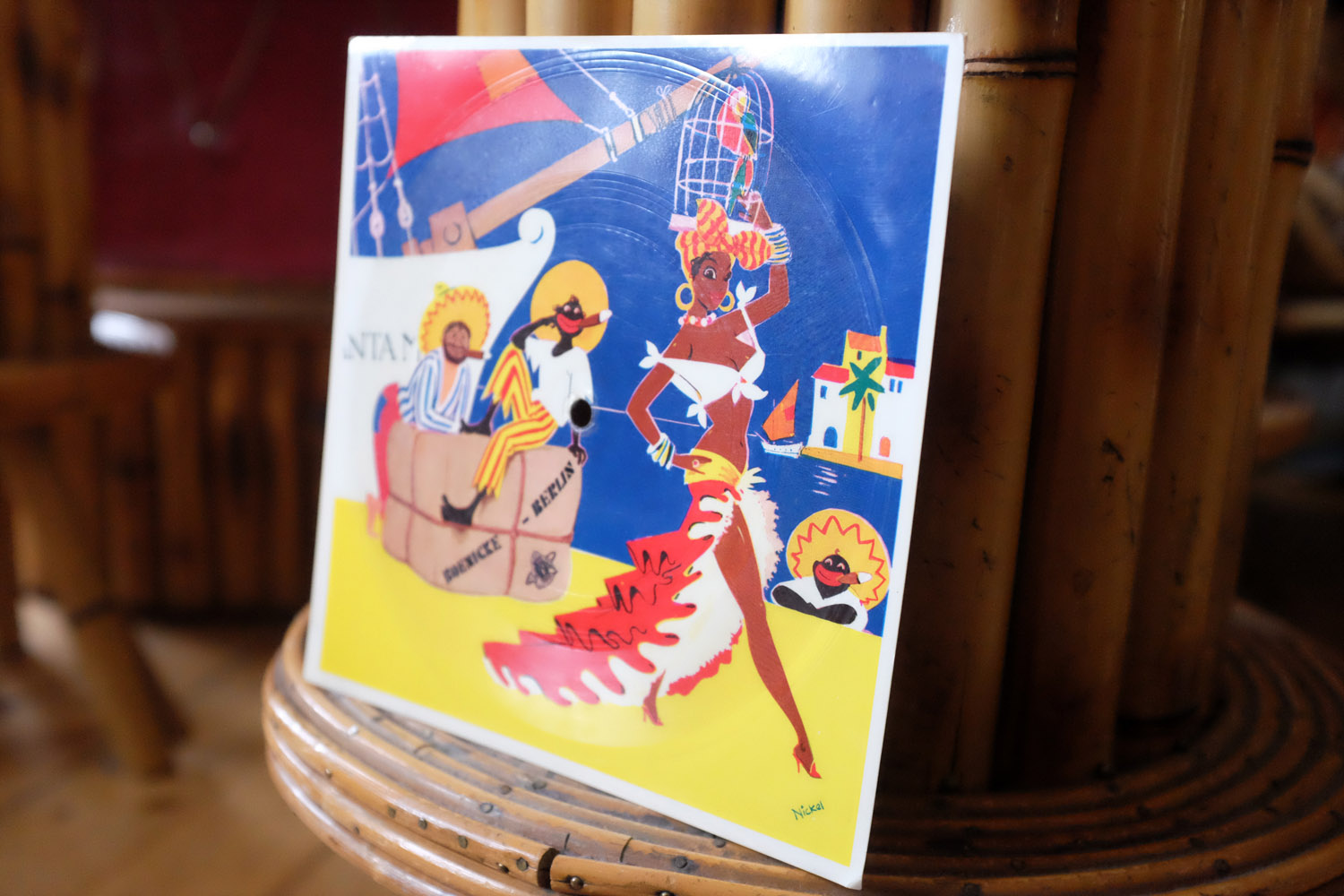
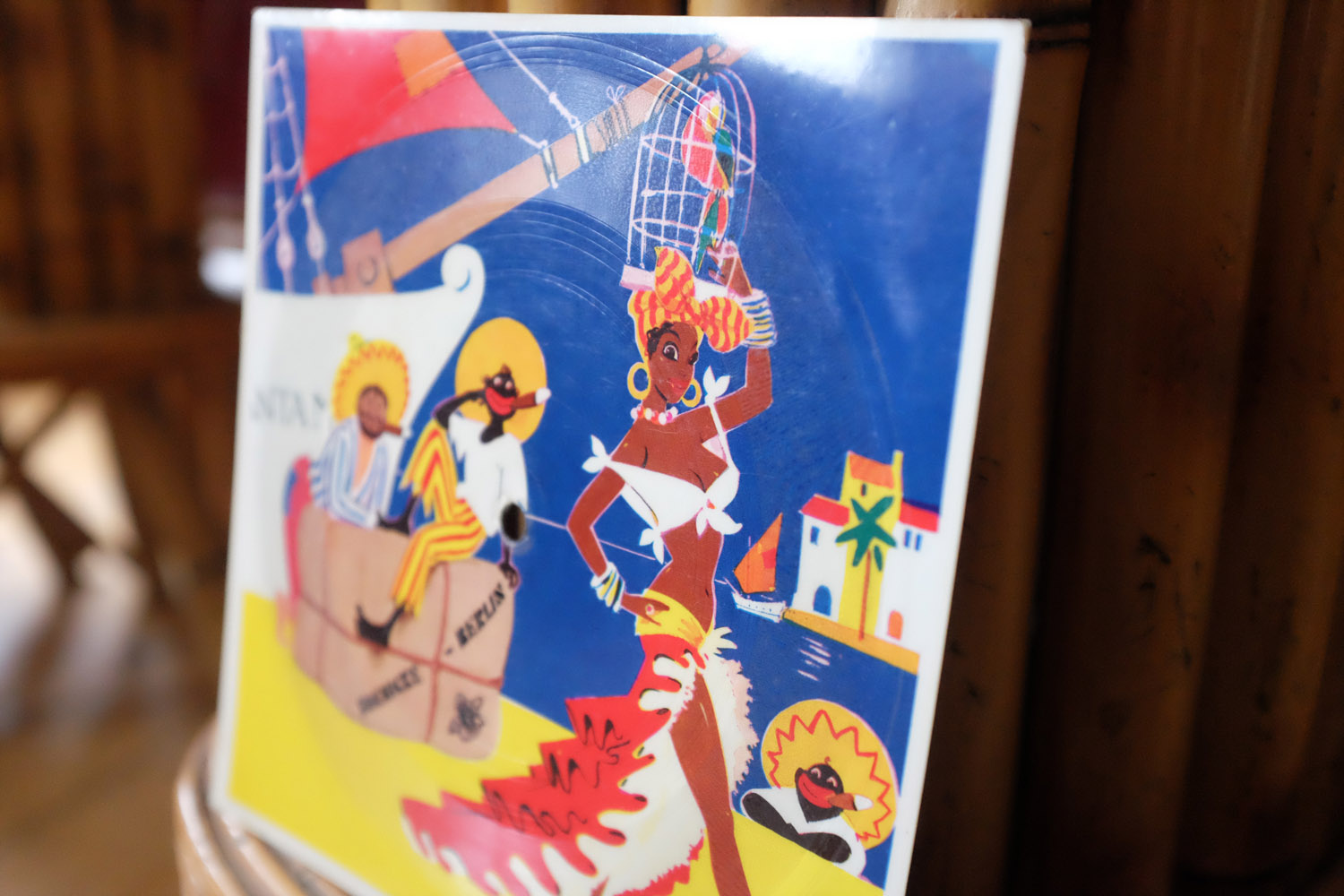
 Two weeks ago, I found this record at a Berlin record convention. This promotional flexi-disc for the Berlin tobacco company of Otto Boenicke fits the framework of Berlin Beatet Bestes perfectly. The front side of the record was illustrated by Helmut Nickel. Nickel, an outstanding stylist in the German post-war adventure comic genre, was known for his instantly recognizable black and white pen work. This gouache style illustration shows, he was very good with color, too.
Born March 24, 1924 in Dresden, Helmut Nickel fought in WW II, was a prisoner of war for three years and left East-Germany for West-Berlin in 1948. To finance University, Nickel started illustrating various comics series in 1952. From 1952 to 1964 he worked on a whole series of comics, such as Robinson, Hot Jerry, Titanus, Die 3 Musketiere, Der Graf von Monte Christo and Peter’s seltsame Reisen.
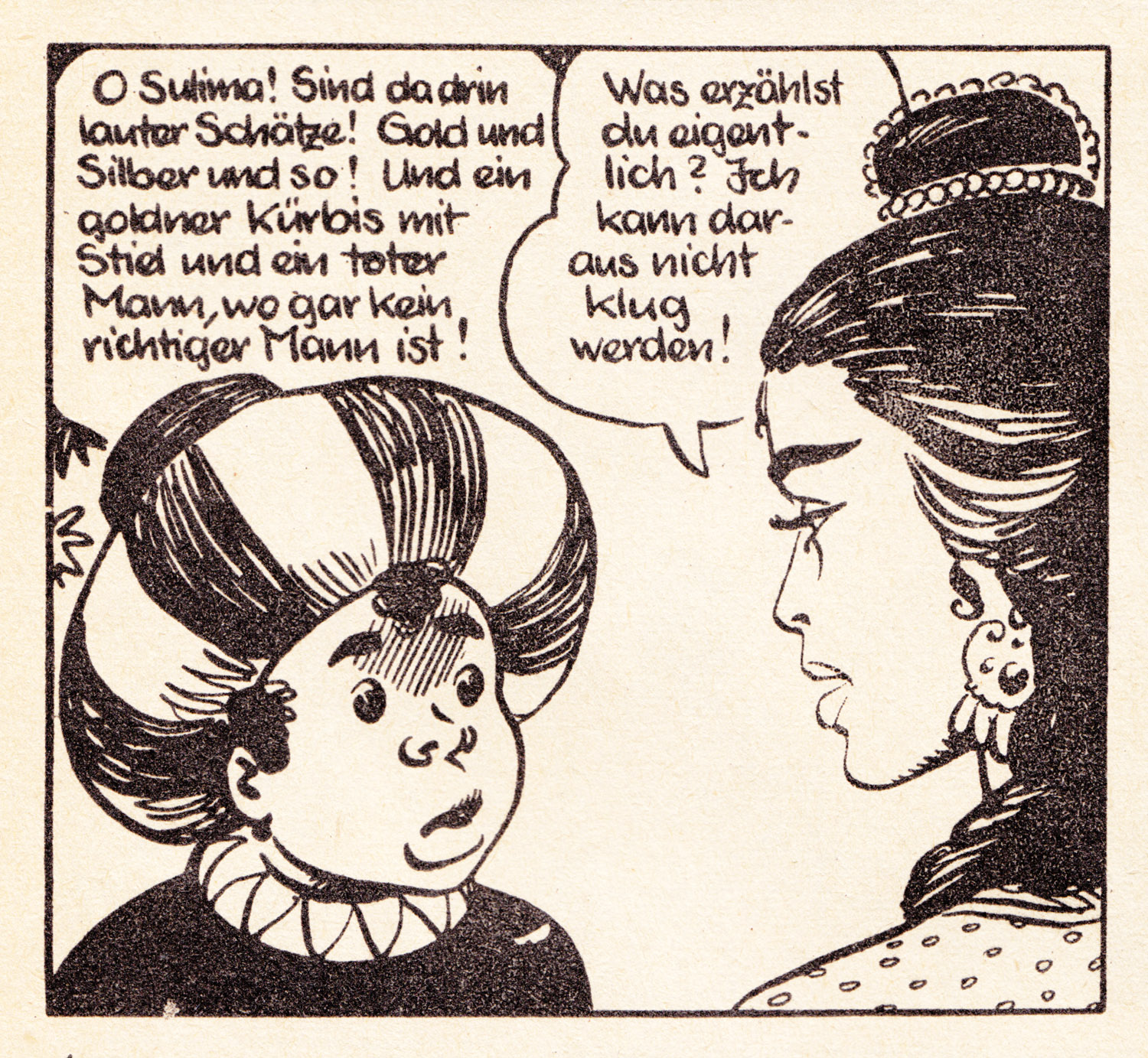
( Robinson No. 84, page 11, 1958. From the collection of Hansi Kiefersauer.)
Informed by his studies, Nickel´s comics were educational, at a time when comics were still regarded as trash that was subverting the children. After finishing University in 1959, Nickel worked in a Berlin museum and then applied for a job at the New York Metropolitan Museum as a curator of the historical weapons collection. He stayed there until his retirement in 1989. Today he lives in Florida.
In 2011 Helmut Nickel was honored with a lifetime achievement award at the Munich Comic Festival. Yesterday, Helmut Nickel turned 94.
The Helmut Nickel-side of this flexi is a tongue-in-cheek narration admiring the beautiful brown body of a Boenicke cigar…
Boenicke-Rumba (The song doesn´t have a title. I just called it that.)
Like many flexi discs that I´ve posted over the years this was also published by the Phonocolor company of Berlin-Lichterfelde. Phonocolor also issued the Okay Exquisit, Rondo and Topas labels.

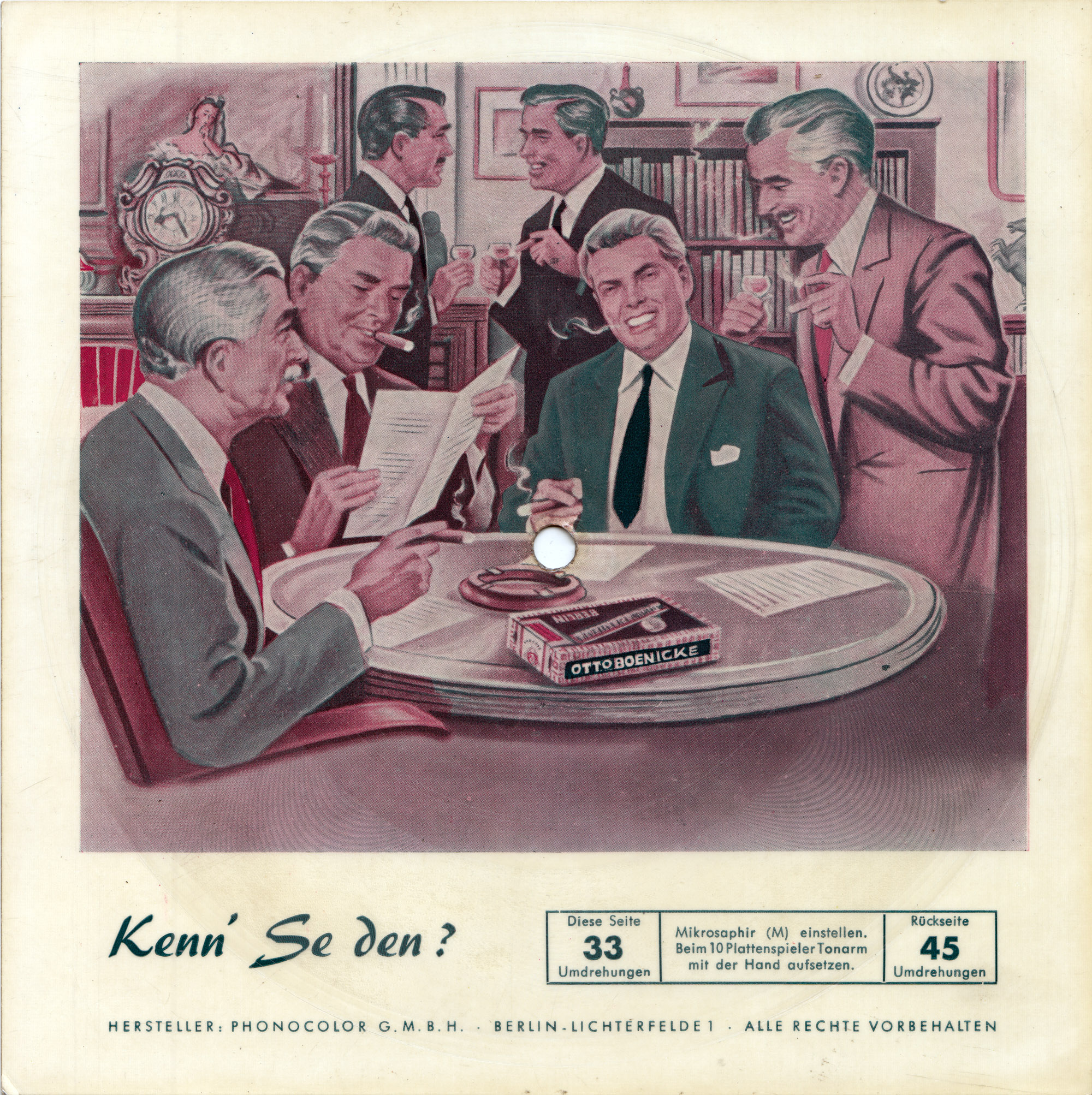
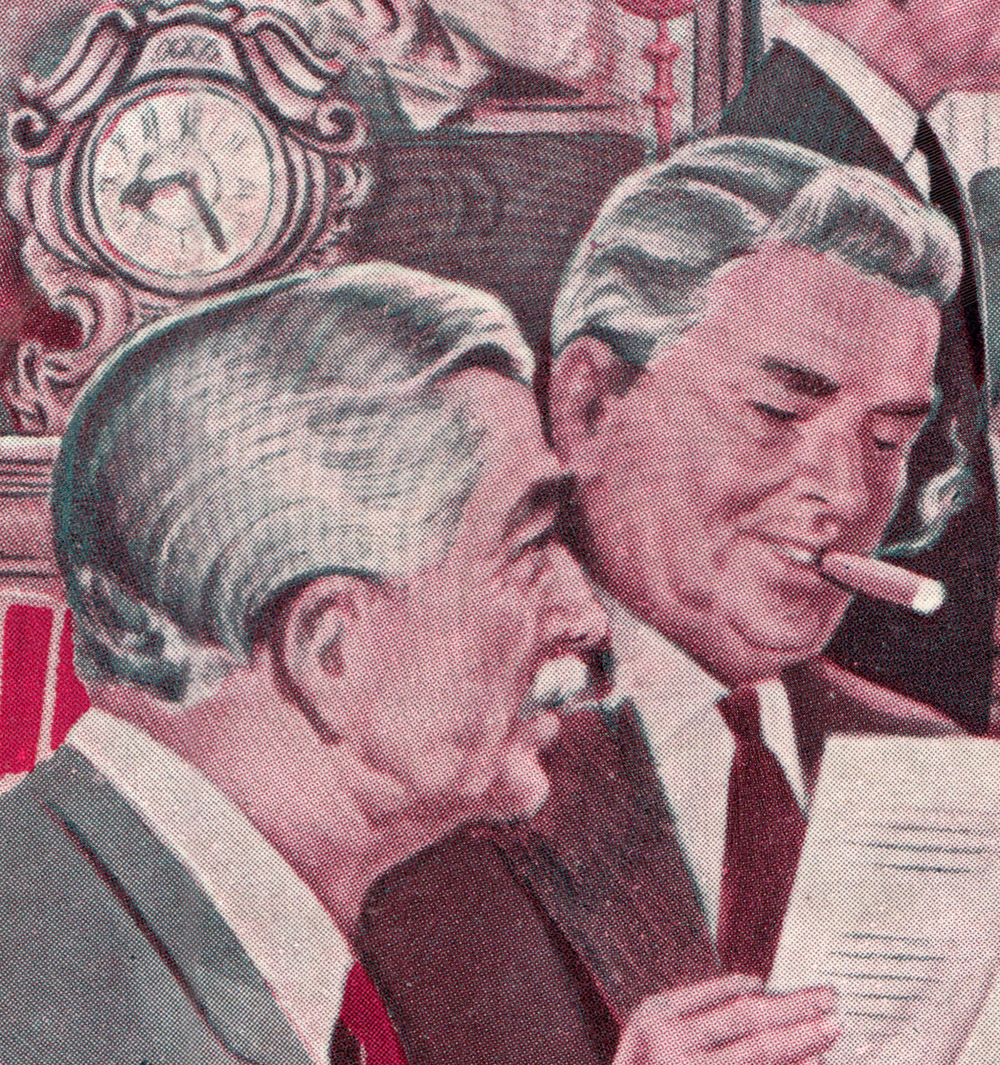
While the Rumba-side runs at 45 rpm, the side with the cigar smoking middle-aged gentlemen runs at 33 rpm. Compared to the comissioned front, this looks like a stock illustration. The male and female narrators sound like Berlin cabaret Die Stachelschweine. Five jokes interrupted by some boogie woogie piano. Kenn´ Se den? Have you heard this one? …






FROHE WEIHNACHTSGRÜSSE
Posted: December 24, 2017 Filed under: Berlin Records, Germany, Private Pressings 2 Comments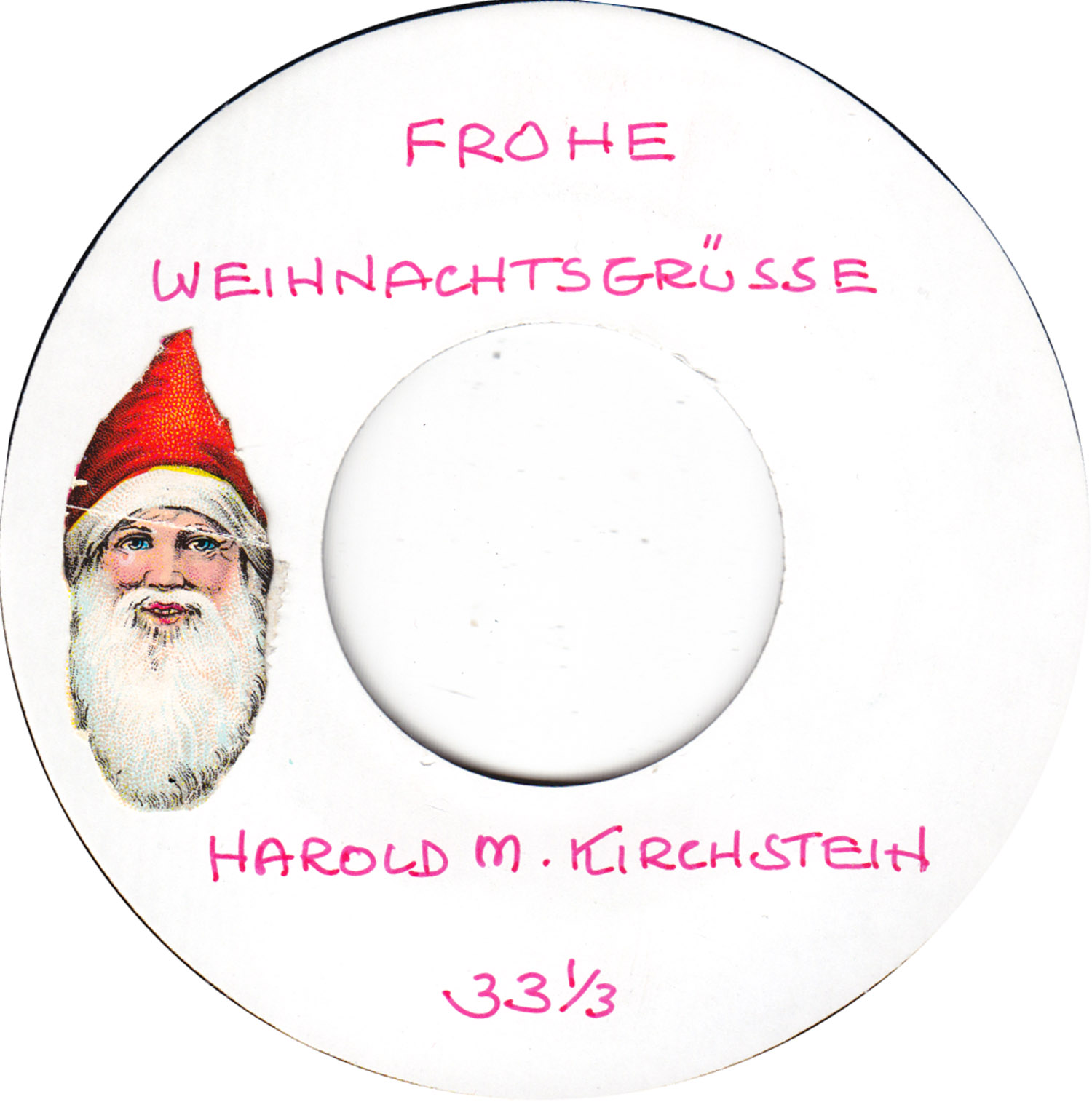
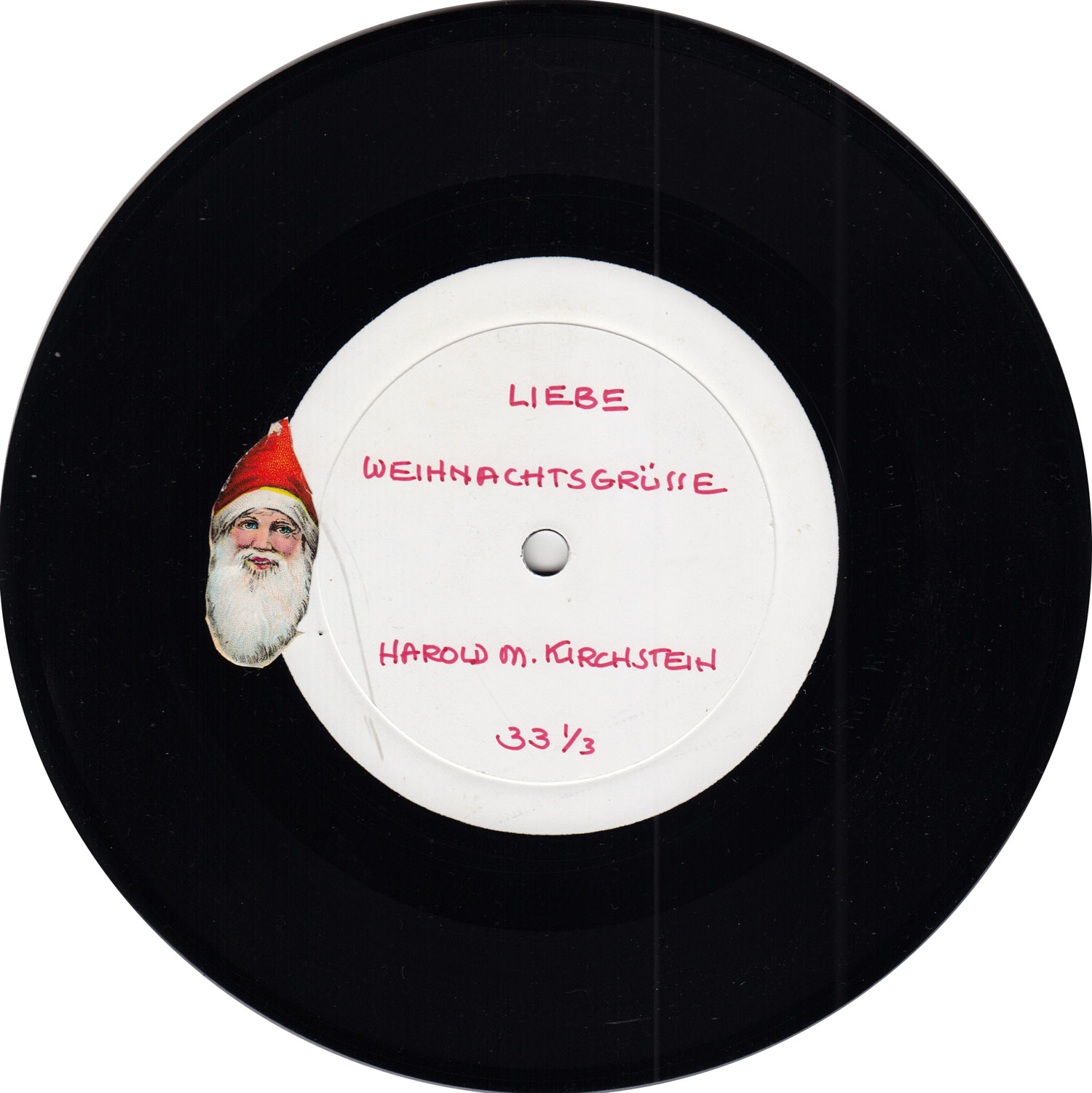 A mystery Christmas record for Christmas. This one-sided 45 has riddle written all over it. Who made them? Why two Christmas Records? Why Harold M. Kirchstein? Help me solve the riddle.
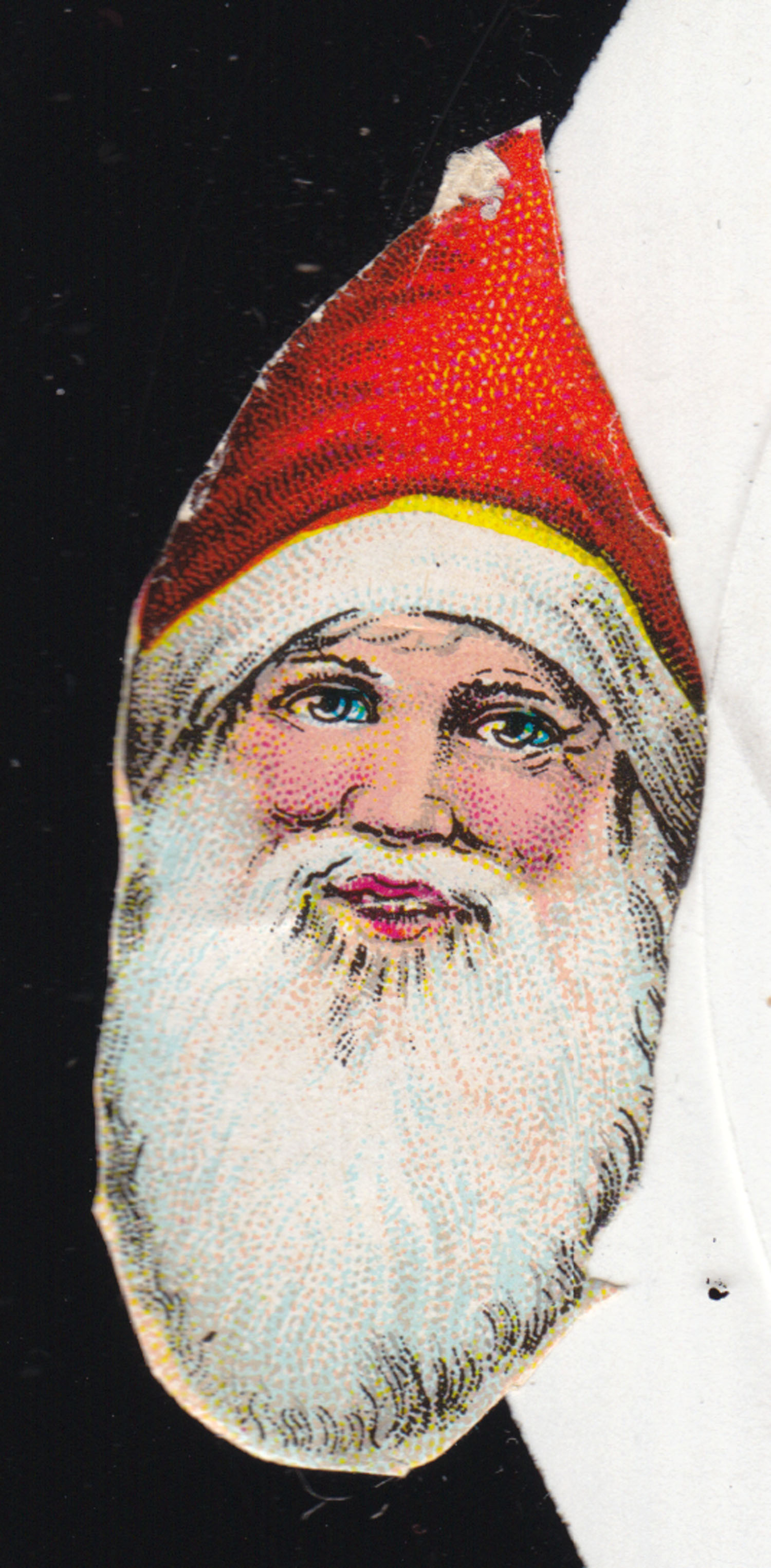
I bought these two very similar 45s, credited to a Harold M. Kirchstein, at a local second-hand record store. Both have white labels, are hand-decorated with Victorian die-cut Santa Clauses and wrapped in plain paper sleeves. The one with the small hole has the words Liebe Weihnachtsgrüsse, Harold M. Kirchstein and the speed 33 1/3 written in red marker. The other one with the large hole says Frohe Weihnachtsgrüsse, plus the name and the same 33 1/3 speed. The first thing you´ll find is the name. Harold M. Kirchstein (1906 -1993) was better known in the world of popular music as Henri René. I own a few of René´s 45s backing Eartha Kitt.
But it´s not Harold M. Kirchstein or Henri René that is heard on these records. These elaborate Christmas joke records were made by a smart and sophisticated person not so long ago. The small hole 45 even has Henri René written in the outer grooves, plus I – m – re – I. Further the small hole 45 cites the swingin´ Ach, verzeih’n sie meine Dame, Gottlieb Schulze mein Name, a song written by Harold M. Kirchstein and recorded in 1936 by Peter Igelhoff. The lyrics also mention Die Goldene Sieben, one of the top German swingin´ orchestra in the 1930s, co-founded by Kirchstein. Harold M. Kirchstein left Germany in 1937. The whole record musically hints at the German-American story of Henri René. A story that has not been told in full yet. Let´s hear:
HAROLD M. KIRCHSTEIN, Frohe Weihnachtsgrüsse
Two minutes into his goofy Christmas collage you´ll hear a sample of the Singing Dogs version of Jingle Bells. Frohe Weihnachten und Prosit Neujahr! Merry Christmas and a happy New Year!
HAROLD M. KIRCHSTEIN, Liebe Weihnachtsgrüsse
THE COUNTRY PICKERS, Springtime in September
Posted: December 6, 2017 Filed under: 80s, Berlin Records, Germany, Private Pressings 3 Comments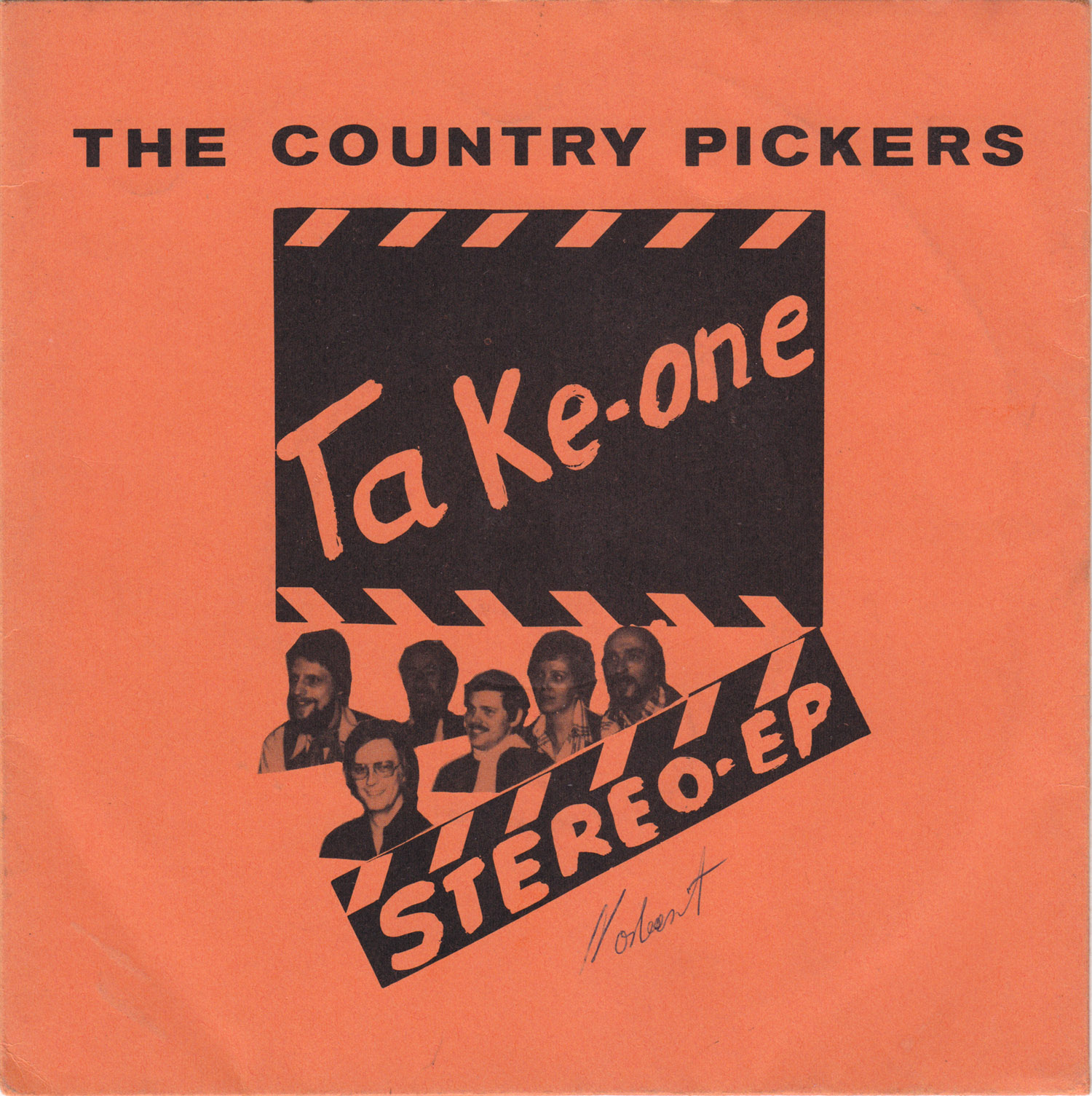
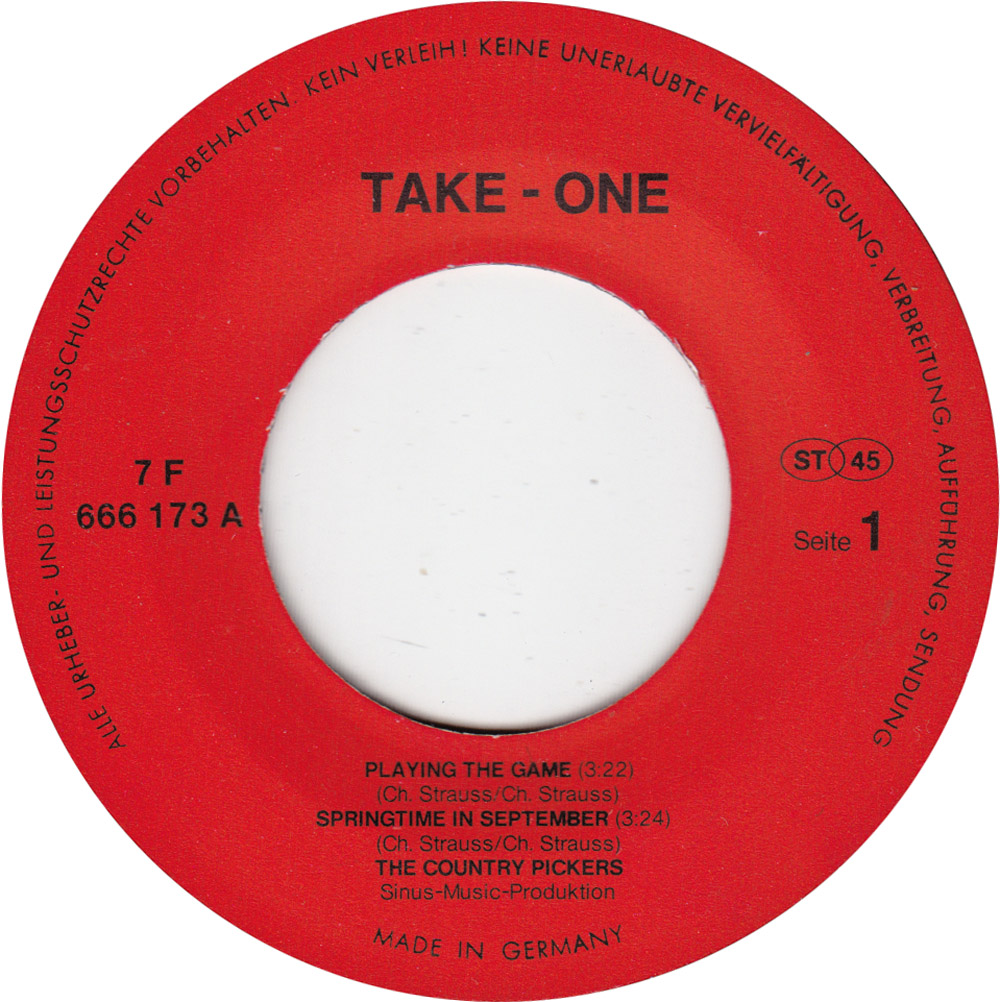
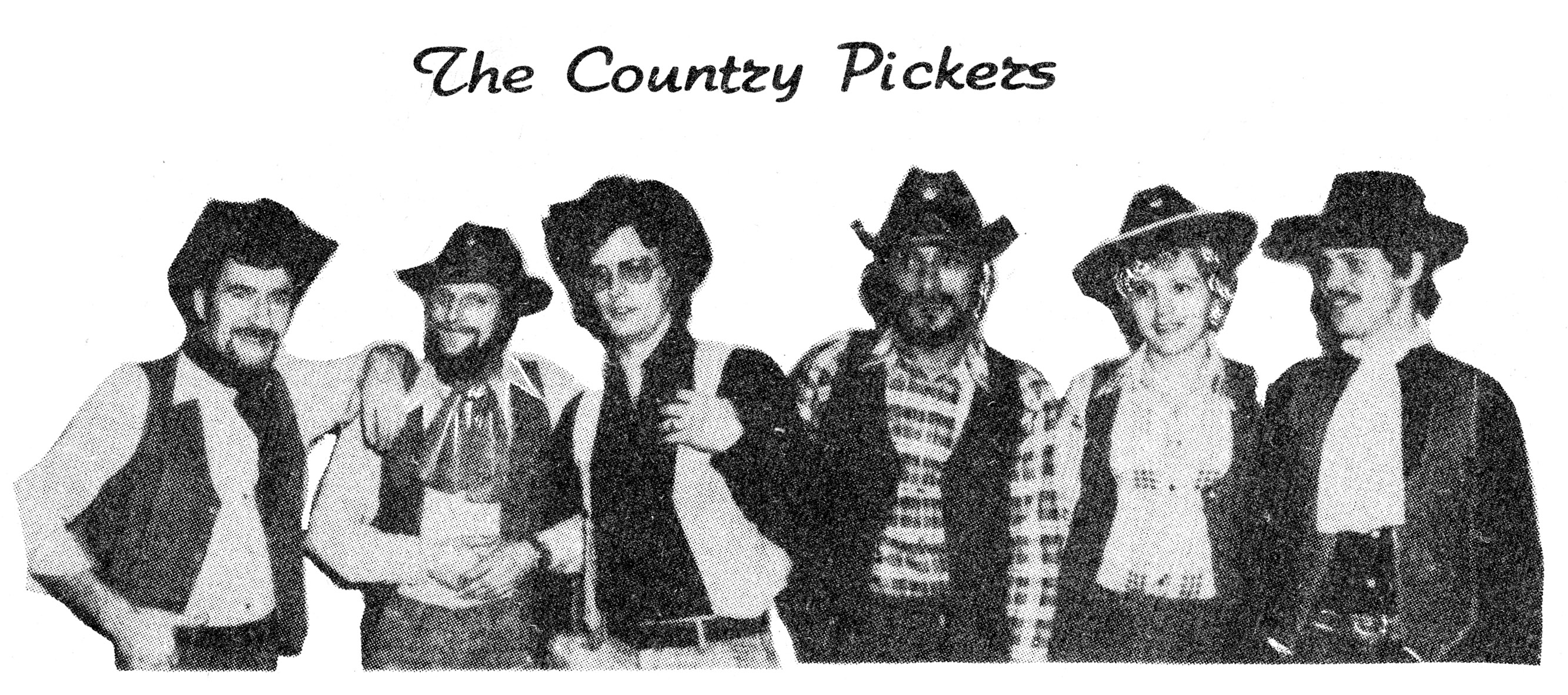
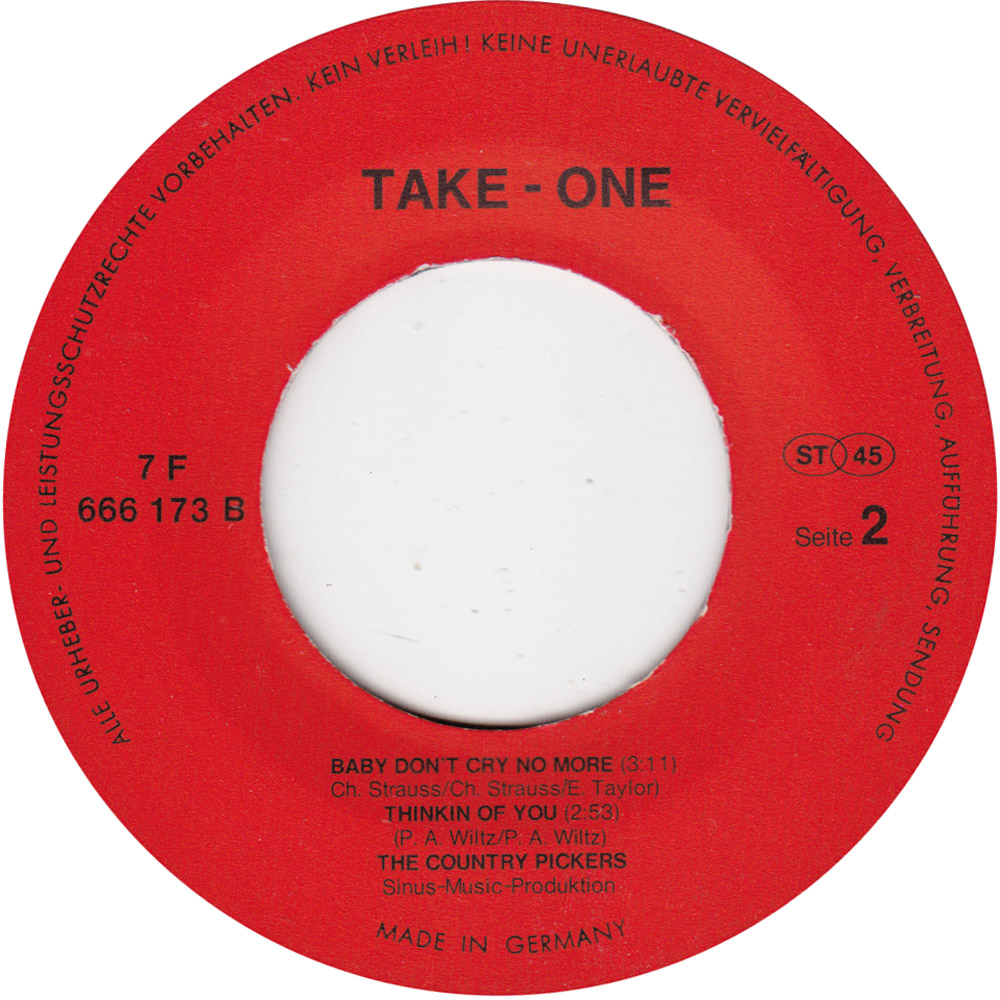 One last Berlin country & western record in this series. No information available online about the County Pickers. I´d put their privately pressed “Take One – Stereo EP” – a DIY production with hand-made sleeves – in the early 80s. But who knows. This seems to be the first public appearance of the group on the Internet.
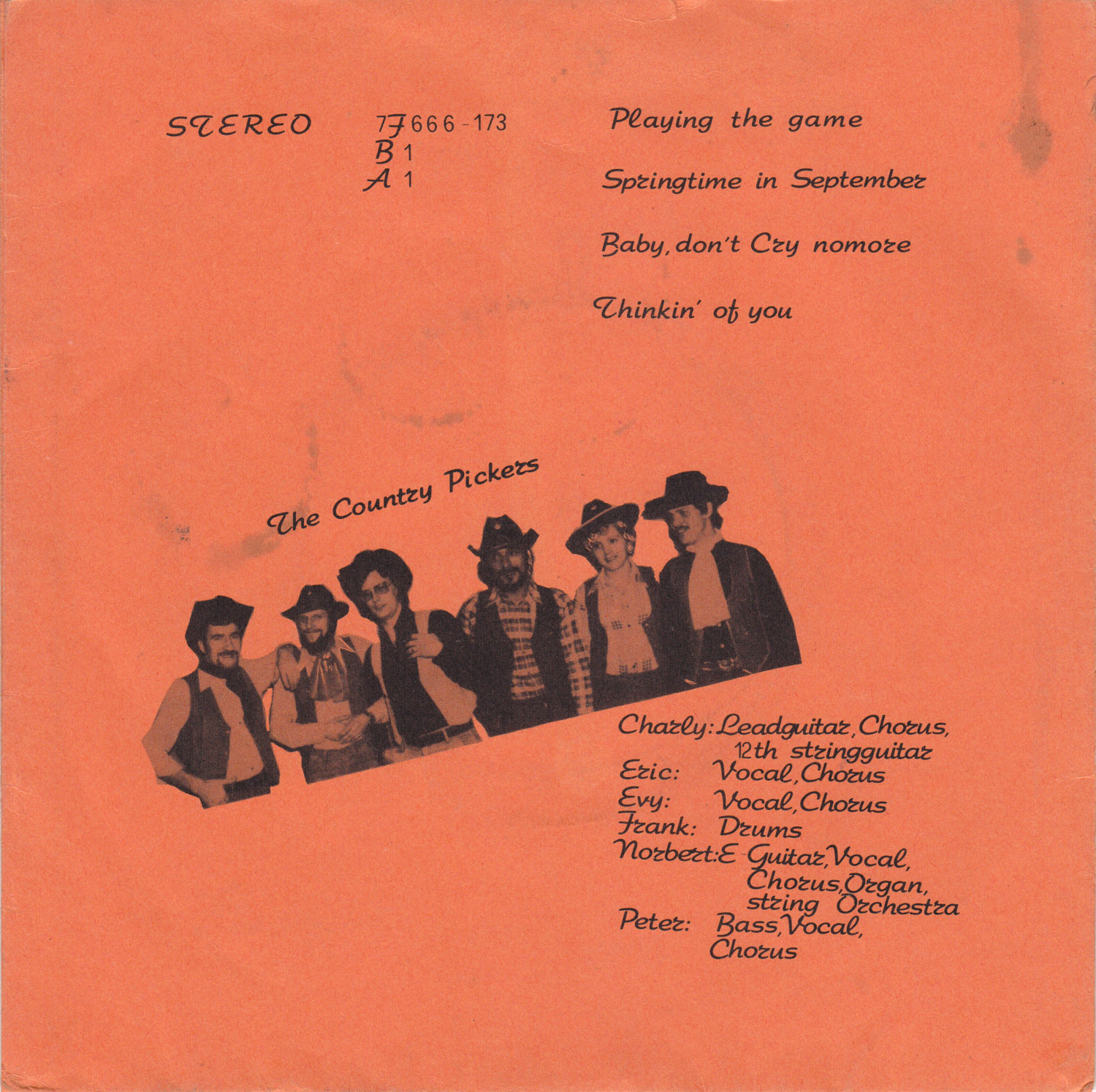
The six members of the Country Pickers were: Charly – lead guitar, chorus, 12-string guitar; Eric – vocals, chorus; Evy – Vocal, chorus; Frank – drums; Norbert – guitar, vocals, chorus, organ, string orchestra; Peter – bass, vocals, chorus
I especially love the strangely endearing Springtime in September…
THE COUNTRY PICKERS, Springtime in September
THE COUNTRY PICKERS, Playing the game
THE COUNTRY PICKERS, Baby, don´t cry no more
THE COUNTRY PICKERS, Thinkin´ of you
 About me:
My name is Andreas Michalke. I´m a cartoonist from Berlin, Germany and I like collecting records. Most of the records I find in thrift stores or at flea markets here in Berlin. I like a lot of music but I thought I`d focus on odd German records. Preferably with cartoon covers.
All my scans are high-resolution. If you double-click on them they will get much bigger.
About me:
My name is Andreas Michalke. I´m a cartoonist from Berlin, Germany and I like collecting records. Most of the records I find in thrift stores or at flea markets here in Berlin. I like a lot of music but I thought I`d focus on odd German records. Preferably with cartoon covers.
All my scans are high-resolution. If you double-click on them they will get much bigger.
 Berlin Beatet Bestes
Recent Comments